Image
In an interesting conversation with Nathalie Jean Baptiste, Head of Programmes at the Julius Baer Foundation, Prof. Méndez unpacked the findings of a three‑year study examining the real-life experiences of people who have moved up the social ladder—from marginalised urban areas and rural communities to Indigenous groups across Chile.
When people talk about social mobility, the story often centres on the lone individual who climbs upwards through determination and education. Prof. María Luisa Méndez, Director of Research at COES, points out, this picture is far from accurate.
In an interesting conversation with Nathalie Jean Baptiste, Head of Programmes at the Julius Baer Foundation, Prof. Méndez unpacked the findings of a three‑year study examining the real-life experiences of people who have moved up the social ladder—from marginalised urban areas and rural communities to Indigenous groups across Chile.
Drawing on 300 in-depth interviews, the research confirms what many already believe: education matters. It opens doors, builds confidence and helps people pursue ambitions that once felt out of reach. But the study also makes clear that education extends well beyond formal qualifications.
“Learning doesn’t begin or end within institutional walls,” Prof. Méndez explains. “Equally important are the socio-emotional skills gained through relationships: knowing how to adapt to new environments, build connections across differences and stay emotionally grounded during periods of change.”
One of the study’s most striking findings is the way mobility differs by gender. Women show a strong sense of interconnectedness. They reflect on their journeys with care, situate their successes within wider family and community stories and often look for ways to support others. For many, support networks are not optional—they are vital.
“The women in our study didn’t speak only about personal progress,” Prof. Méndez notes. “They spoke about responsibility—about keeping pathways open for those who follow. There is a clear culture of reciprocity, especially among female peers.”
Despite this, structural barriers persist. Many organisations still expect people from diverse backgrounds to adapt to dominant cultural norms—effectively asking them to set aside parts of their identity. Prof. Méndez argues that the focus should shift: instead of pushing for assimilation, institutions should recognise and draw on the strengths these individuals bring.
We need scholarships, yes—but also mentorship. Not just financial support, but a sense of belonging
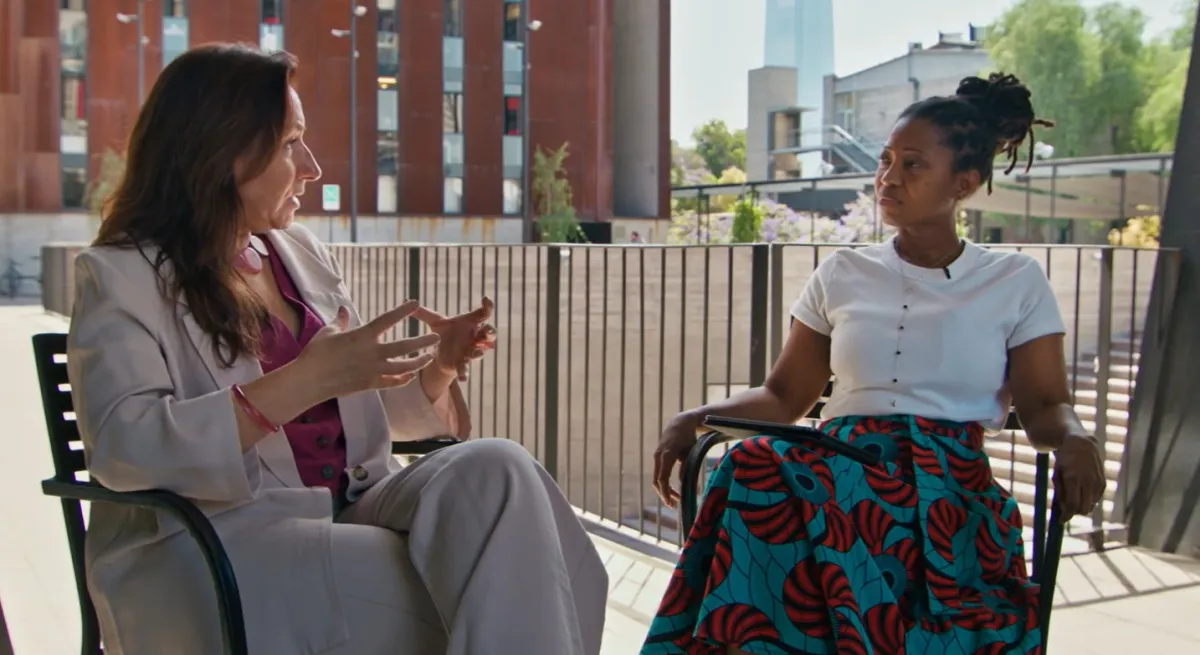
“We need scholarships, yes—but also mentorship. Not just financial support, but a sense of belonging,” she says. “Companies can become genuine drivers of inclusion by making space for different ways of thinking, communicating and leading.”
As Prof. Méndez emphasised at a recent conference on The Future of Social Mobility in Chile, addressing stalled mobility—the so‑called ‘broken elevator’—requires more than policy adjustments. It calls for cross‑sector collaboration and a new understanding of success: not as a solitary ascent, but as progress that is shared.
In a world increasingly divided by wealth and opportunity, the message is urgent but hopeful: We do not rise alone. We rise together.