Image
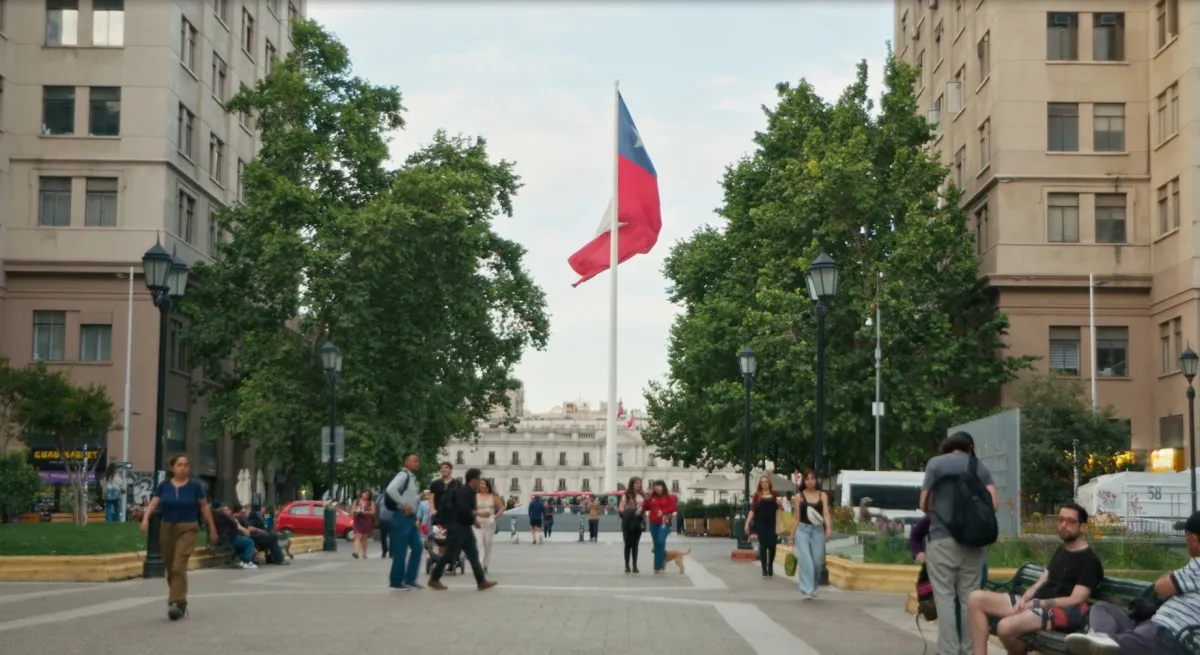
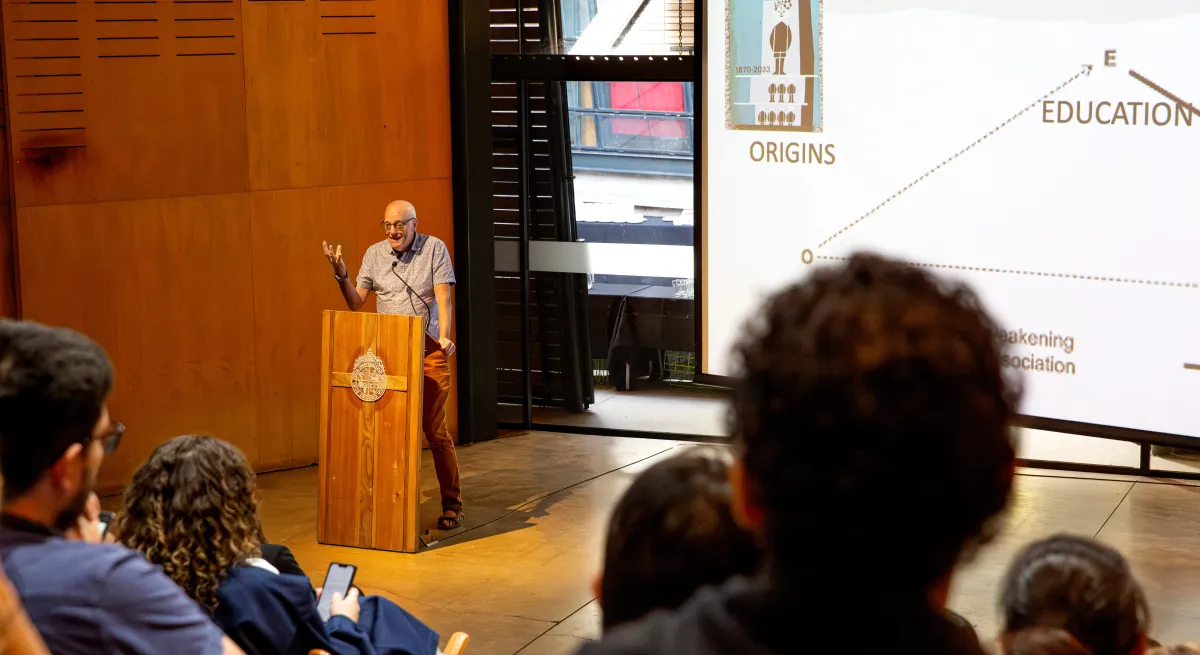
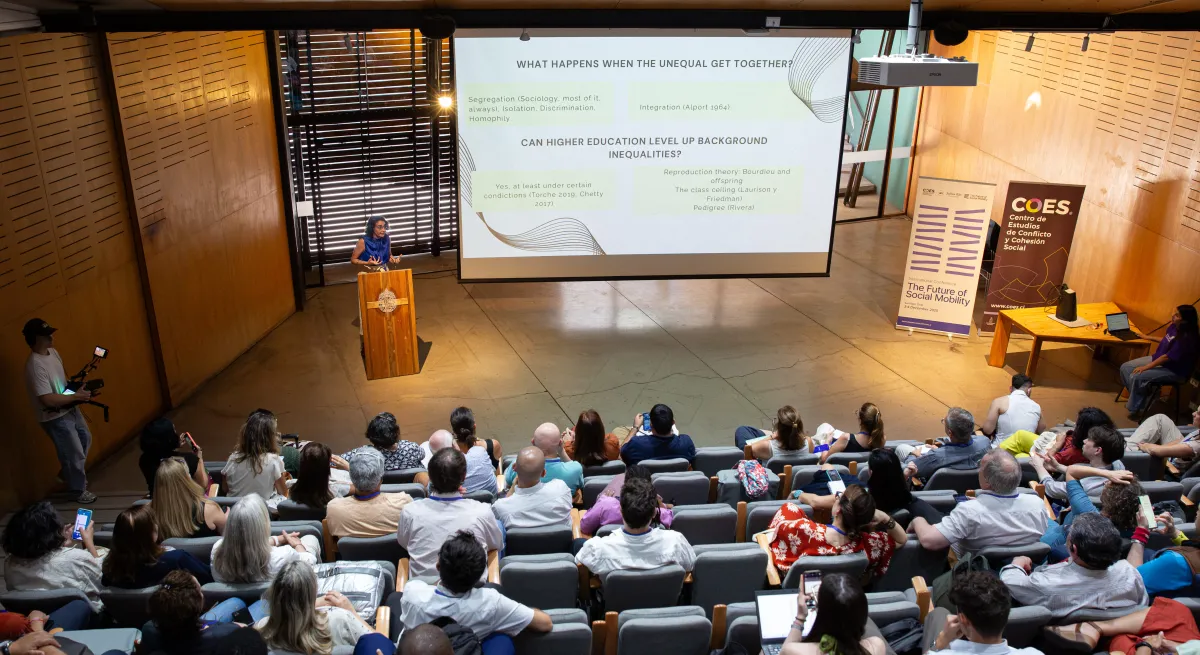
At the Future of Social Mobility Conference in Chile, hosted by the Julius Baer Foundation and COES, experts explored how systemic barriers shape unequal mobility trajectories. The dialogue underscored the need for more stable, inclusive, and equitable pathways to foster lasting social progress.
A central insight emerged clearly: social mobility continues to be shaped more by structural conditions than by individual merit. As Professor Mike Savage, Professor at the London School of Economics, observed, “We tend to exaggerate the extent to which social mobility is driven by merit, and underestimate how much it is shaped by inherited advantage.”
Family background, territorial context, and early access to resources remain decisive. Upward movement is possible, but often fragile. Savage reinforced this by noting that “Inequality reproduces itself through multiple mechanisms operating across generations.” Understanding this shifts attention away from individual effort and toward the systems that determine who advances, who stagnates, and who is protected from falling back.
While education remains an important route to mobility, it cannot compensate for wider structural inequalities. Savage emphasized that “education expansion on its own cannot compensate for deeply unequal labor markets and housing systems.”
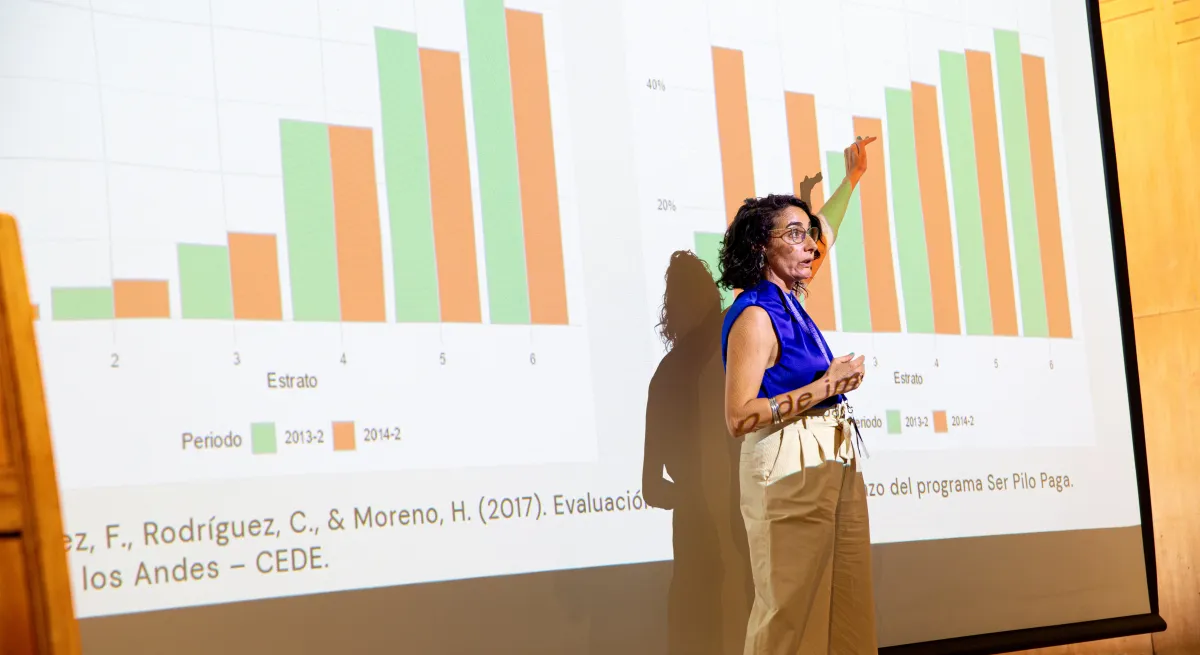
In segregated contexts, opportunities often bring social and emotional costs. As María José Álvarez, Professor of Sociology at Universidad de los Andes explained, “In highly segregated societies, opportunities exist, but they often come at a very high personal cost.” Technology can expand access, but only if designed for inclusion. Education can open doors, but the systems behind those doors determine who can move forward.
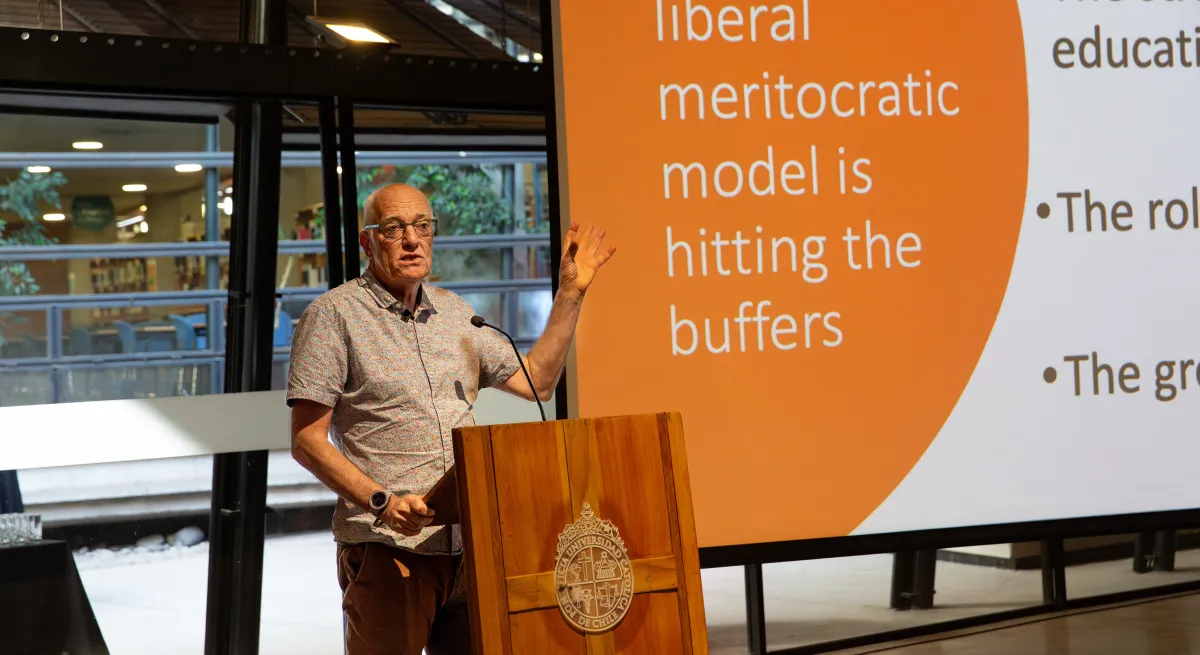
Territory continues to shape mobility as powerfully as class or education. Where a person is born and where they live remain among the strongest predictors of future outcomes. Gautam Bhan, Associate Dean at the Indian Institute for Human Settlements, reminded the participants that, “Cities concentrate opportunity, but they also concentrate vulnerability.” National averages obscure sharp disparities across neighborhoods and regions (read WII article by Merlin Ince), and policies that ignore territorial realities often fail to meet lived conditions on the ground.
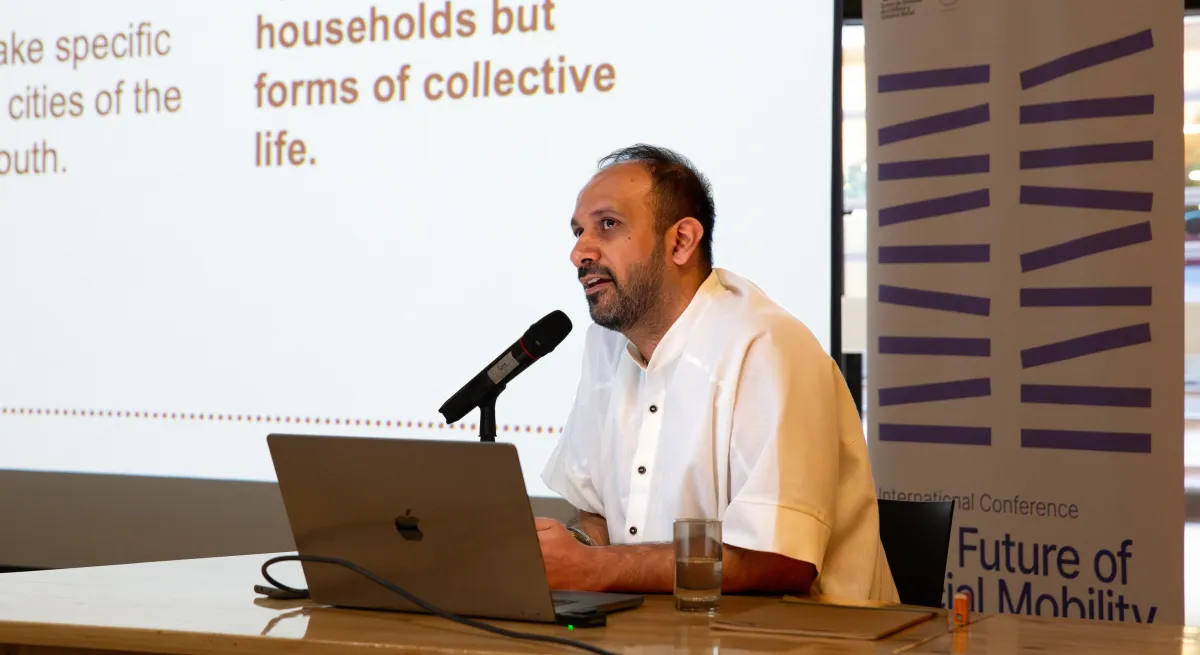
Cities concentrate opportunity, but they also concentrate vulnerability.
Mobility unfolds over long time horizons — often across generations. Yet many interventions operate on short programmatic or funding cycles, creating pressure for quick results. This leads to premature evaluations and expectations that do not reflect the true pace of change.
Participants emphasized the need for long-term investment strategies. Patience and consistency — two conditions essential to systemic change — are often the very conditions current funding frameworks lack.
The conference underscored that lack of evidence is not the central barrier to progress. Instead, fragmented action across sectors limits impact. Academic insights often remain disconnected from practice. Practitioners face capacity constraints and short-term funding. Philanthropic organizations sometimes reinforce these short time frames.
These gaps create misaligned incentives and missed opportunities. The challenge is not inventing new solutions — it is aligning the actors and institutions that hold different pieces of the puzzle.
Philanthropy cannot replace public institutions, but it can catalyze steps toward broader structural improvements. Effective partnerships require trust, shared risk, and long-term collaboration. As the partnership roundtable stressed, “Partnerships are not about alignment on paper; they are about trust in practice.”
Funders were encouraged to move beyond short-term project grants and toward strengthening organizational capacity. Philanthropy that is patient, flexible, and grounded in local realities can help build the systems mobility requires.
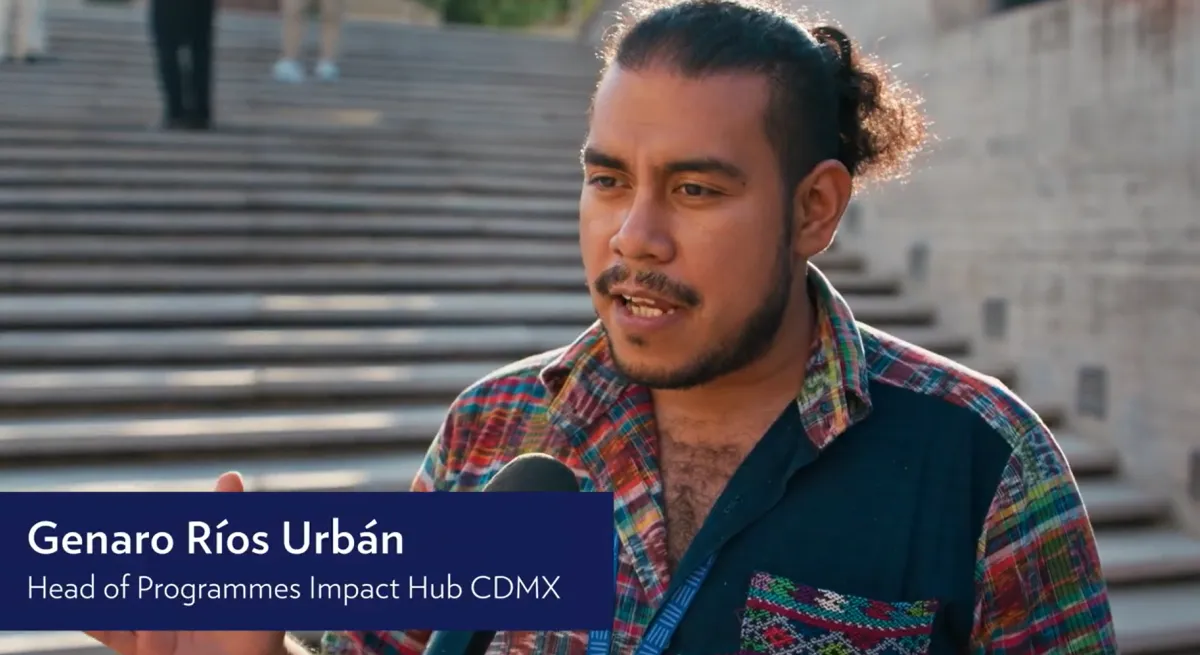
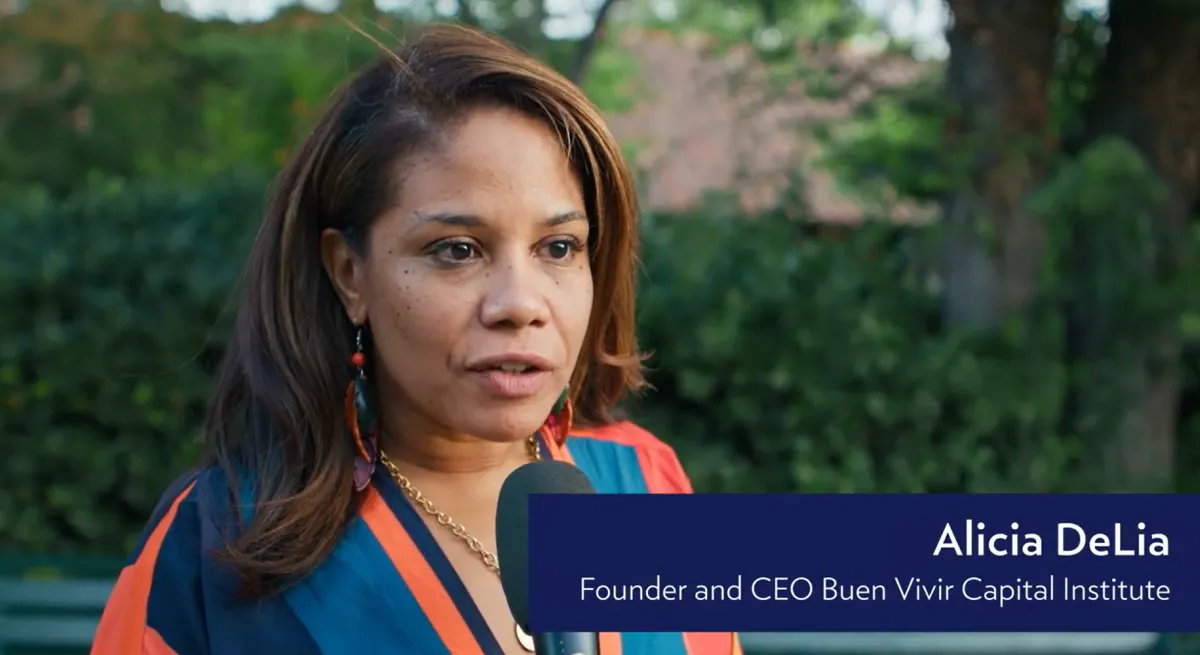
Social mobility doesn’t have just one answer. You can make it through academy, through art, to politics, through entrepreneurship.
Meritocratic narratives often hide structural barriers and place undue responsibility on individuals. Mobility is not a single route or a standardized ladder. As Genaro Ríos Urban, Head of Programmes at Impact Hub CDMX, expressed:
“Social mobility doesn’t have just one answer. You can make it through academy, through art, to politics, through entrepreneurship.”
His reflection was seconded by Alicia DeLia, Founder and CEO of the Buen Vivir Capital Institute, who emphasized that entrepreneurship remains one of the most powerful — yet often undervalued — catalysts for mobility, particularly in contexts where traditional pathways are restricted.
Recognising multiple trajectories — creative, civic, entrepreneurial, academic — expands public understanding of mobility. When pathways appear blocked or narrow, trust declines and cohesion weakens. Narrative change is therefore not peripheral; it is foundational to shifting how mobility is understood and supported.
The key takeaways from the conference are clear: mobility is not linear, nor is it a single programme. It is a context-specific, intergenerational process that requires coordinated systems and shared commitment across sectors.
Advancing mobility will require:
As emphasized in the closing ceremony, “What matters next is how these ideas translate into collaboration beyond this room.” The work ahead begins now.
Stay connected and contribute to building fairer pathways for social mobility