Image
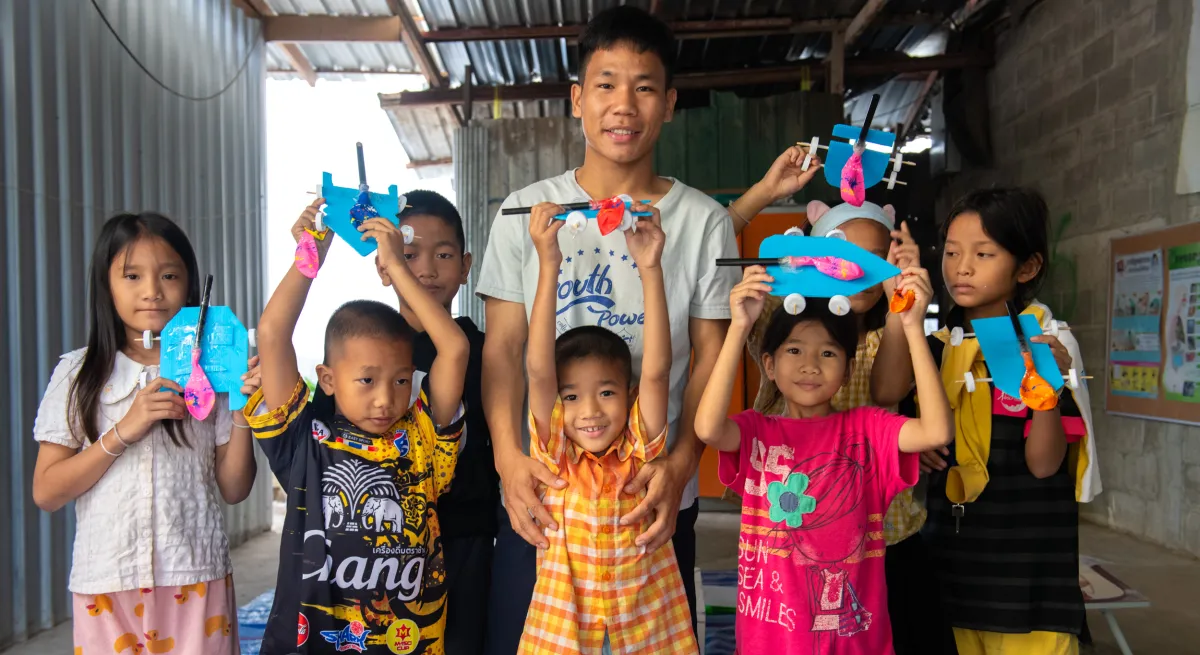
Supporting migrant workers families and their children while establishing innovative partnerships with construction companies and public services.
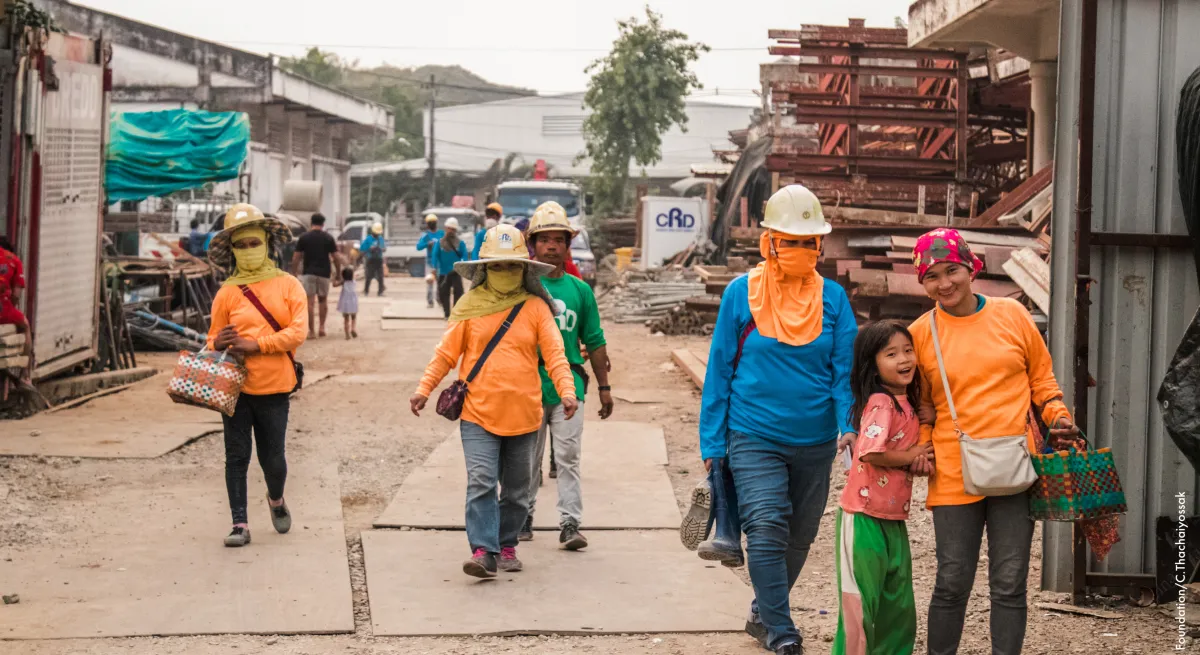
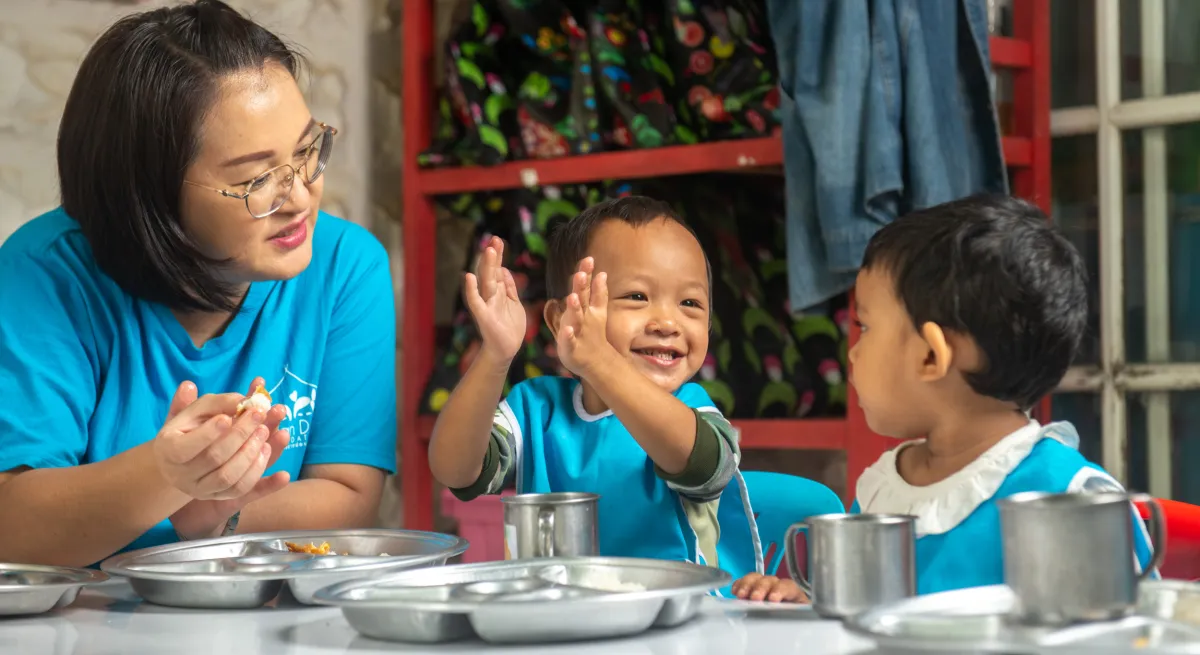
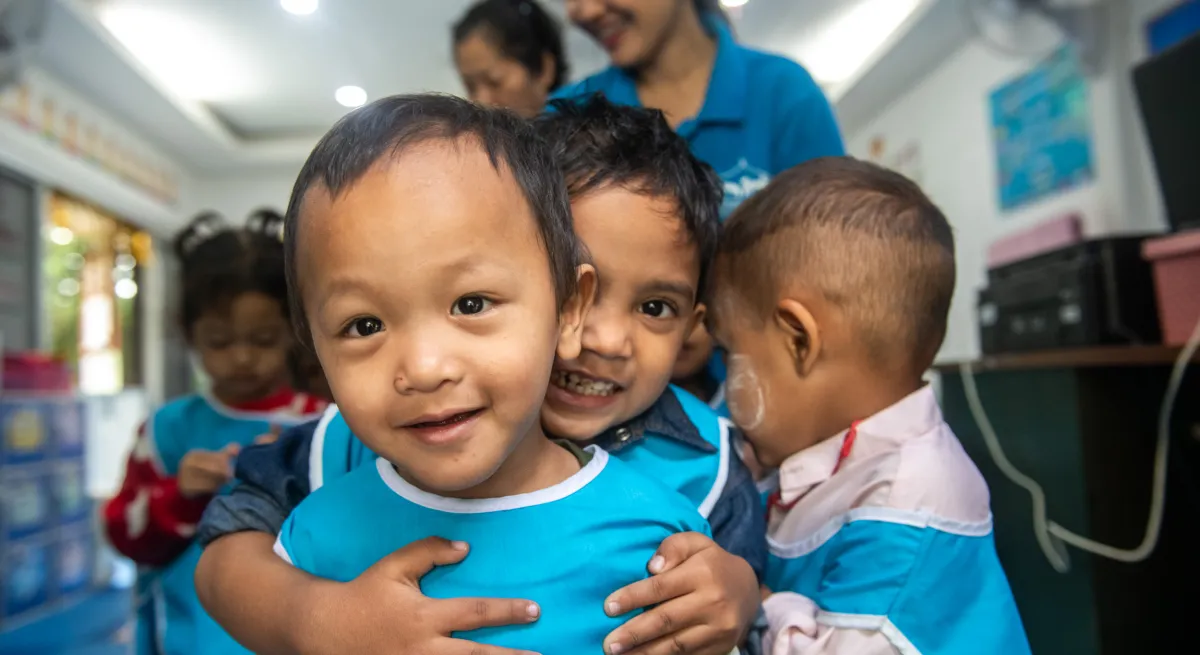
The Thai construction sector employs around 700,000 migrant workers who reside in camps with poor infrastructure. Their children, approx. 60,000 (1), face barriers to accessing education, health and welfare services.
With the support from Julius Baer Foundation, Baan Dek Foundation (BDF) aims to secure child protection and access to basic rights, facilitating the integration of children and families of migrant workers in Thai society.
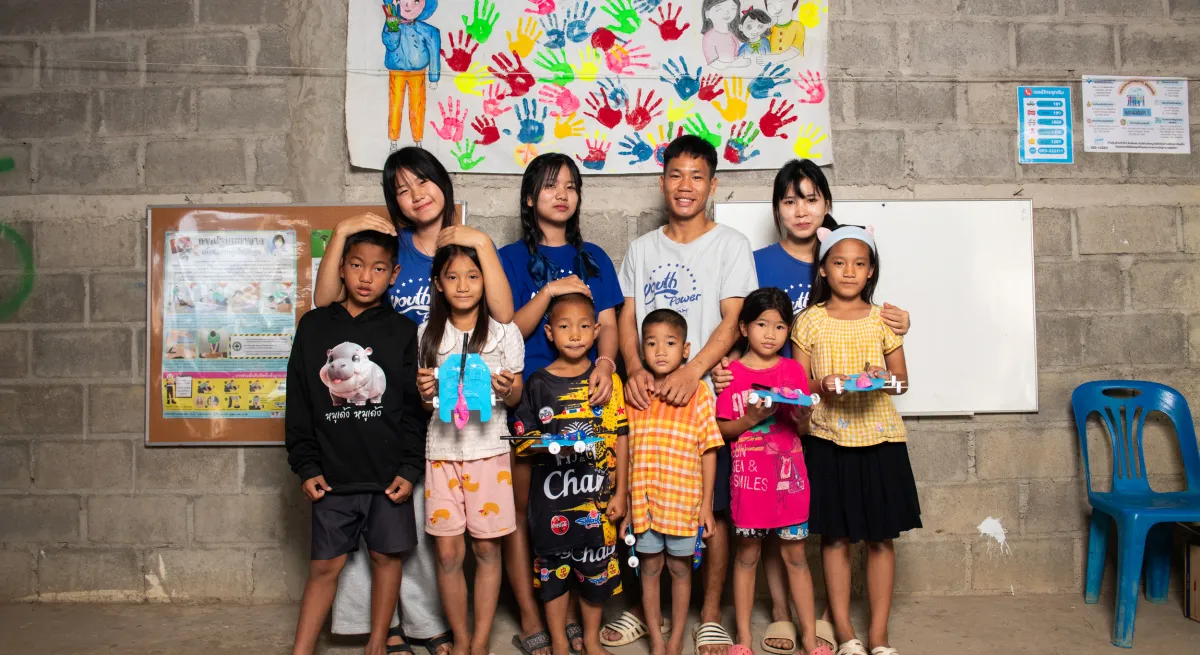
BDF combines direct support for the most vulnerable children and families, addressing immediate child development risks and empowering adults, women and youth to make their communities safer and better connected to public services.
Through the Building Social Impact Initiative (BSI), BDF collaborates with companies from the construction sector by providing training and tools that align with Children’s Rights, Business Principles and ESG frameworks, thereby creating sustainable change.
(1) Baan Dek Foundation and UNICEF Thailand, “Building Futures in Thailand: Support to Children Living in Construction Site Camps,” 2018

From exclusion and marginalisation...
Lacking relevant information, workers and their families are excluded from public services, policy frameworks, and opportunities for social integration, while children are often exposed to unsafe living conditions and violence.
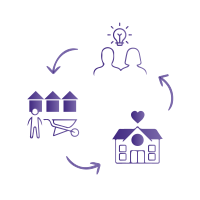
... to being socially integrated and thriving.
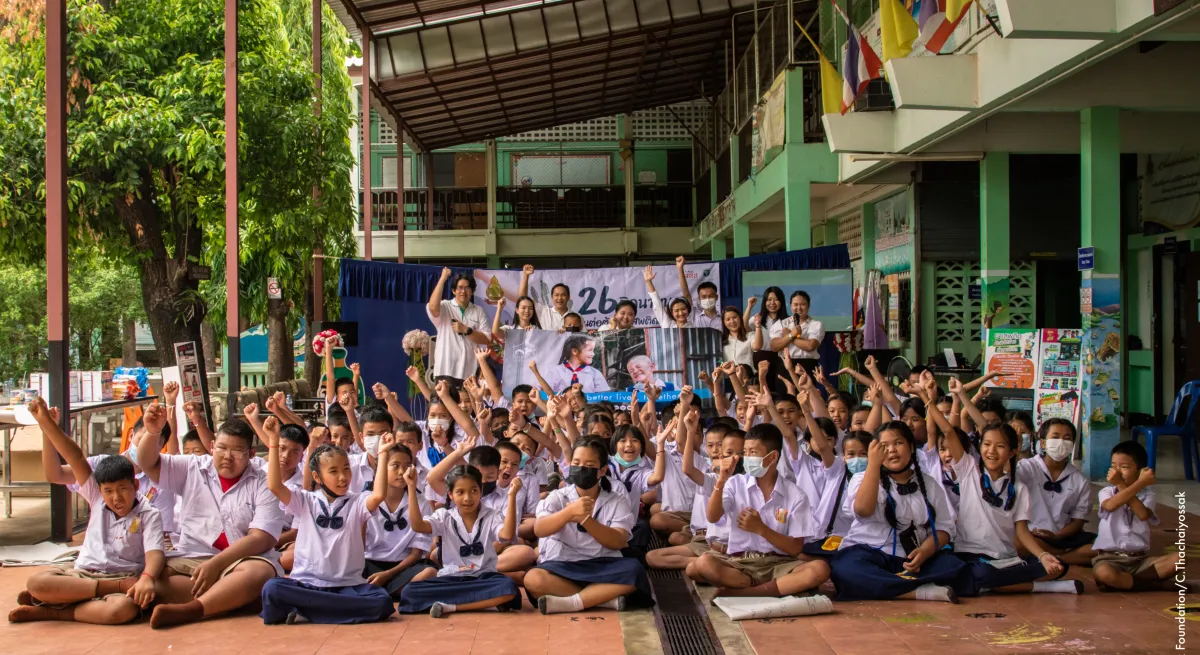
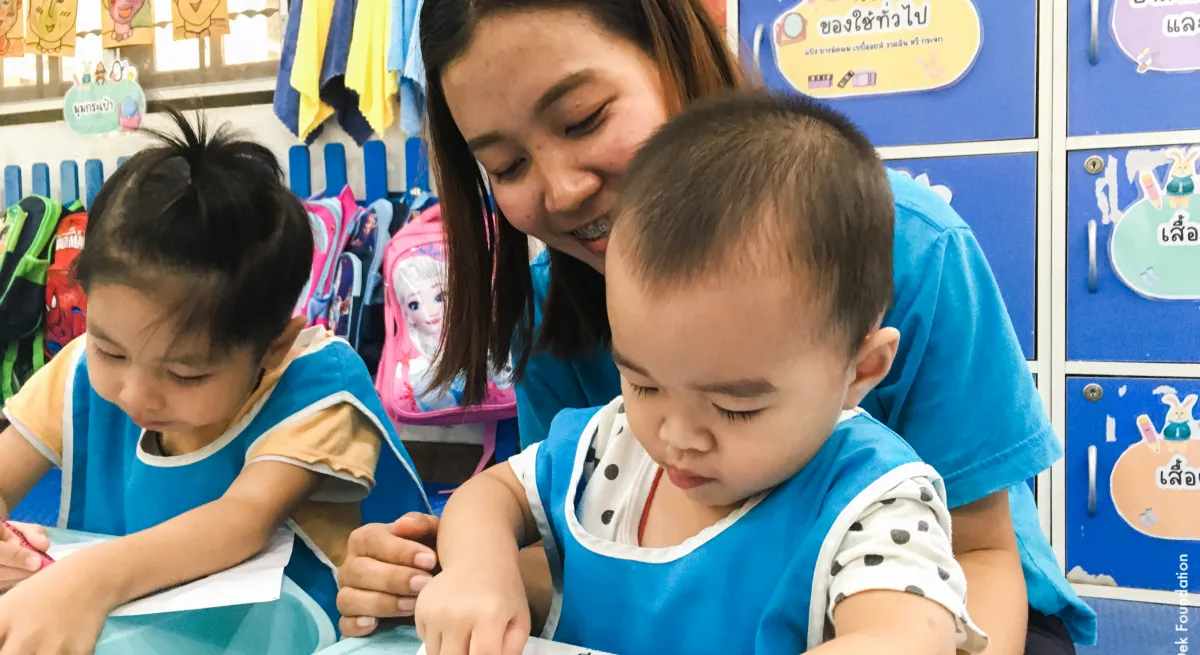
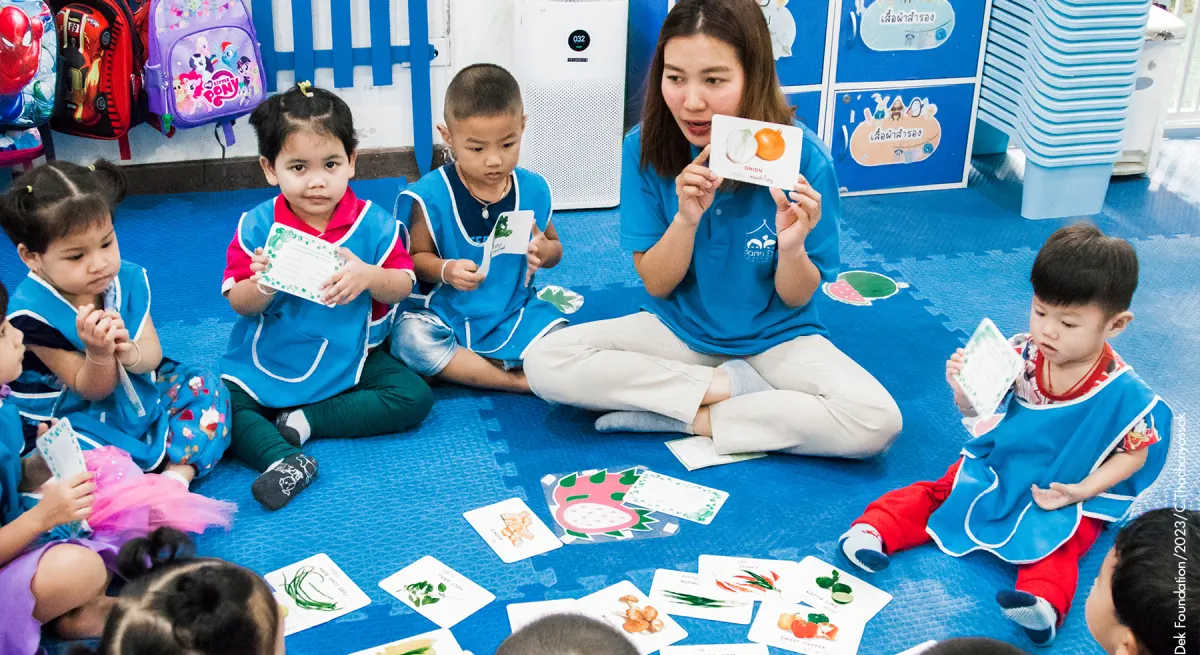
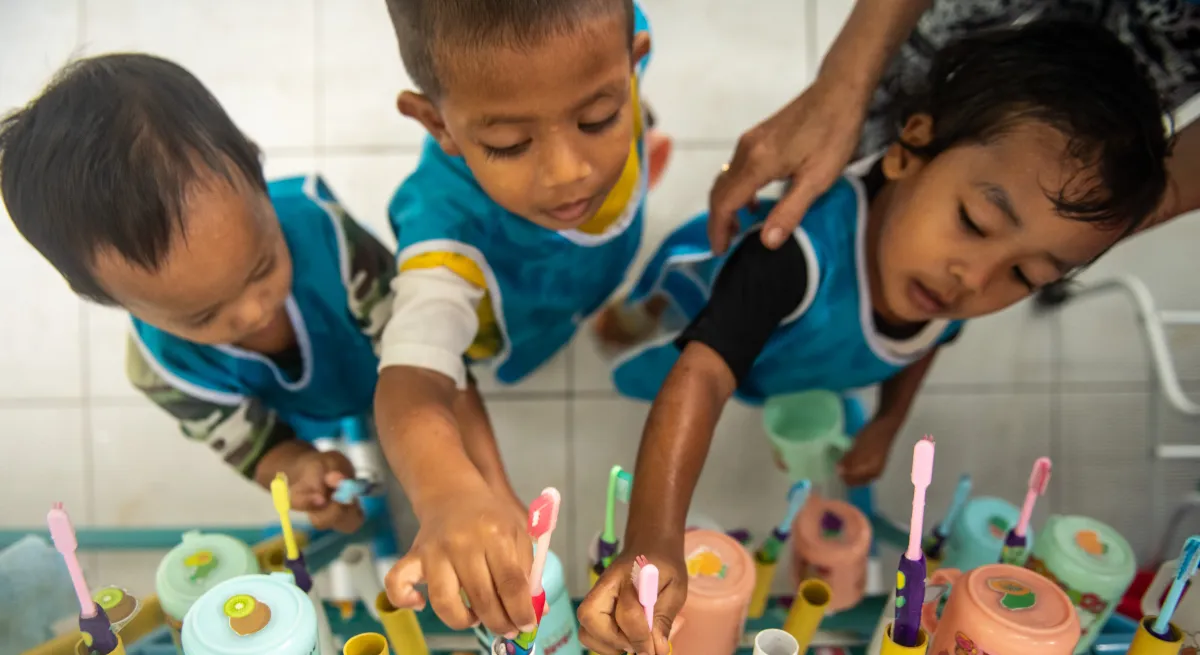
Children in construction site camps get access to essential health, education and protection, as the construction companies improve their business practices and regulators adjust relevant policies.
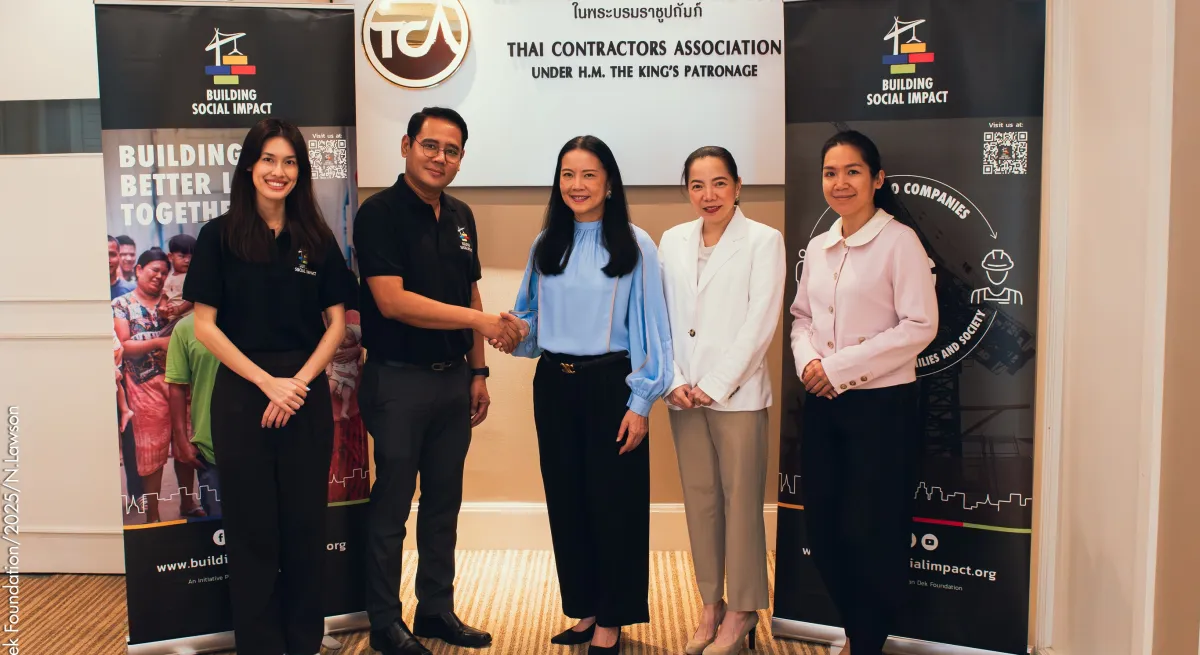
Some companies may focus only on investing in technology and innovation. But in construction, the most important investment should also be in people. Because construction is labour-intensive… Machines cannot always replace humans. So we absolutely need to invest in developing our workforce.

OUTPUT
In 2025, all companies joining the BSI improved camp safety measures and living conditions, integrating these targets into their CSR strategies.

OUTCOME
By 2028, 43% targeted communities will improve living environments and access to health and education, further enabling families’ integration and upward social mobility in Thai society.
HIGHLIGHT
As of April 2026, 32 major companies committed to train their staff and improve the wellbeing of migrant workers and their families. The number of companies joining is continuously growing.
Reducing barriers to essential services