Image
In a recent conversation, Laura Hemrika, CEO of the Julius Baer Foundation, spoke with Professor Jody Agius Vallejo, Professor of Sociology, American Studies and Ethnicity at the University of Southern California and keynote speaker at The Future of Social Mobility Conference—co-hosted by COES and the Julius Baer Foundation.
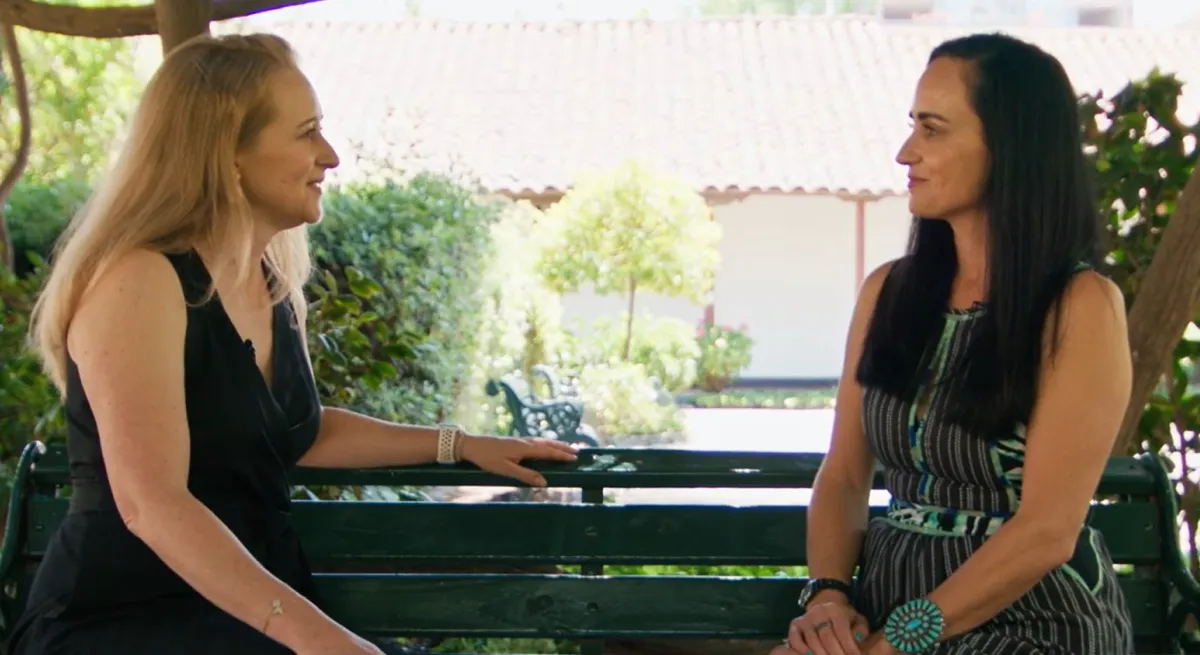
They discussed the persistent gap between the promise of the ‘American Dream’ and the lived realities of immigrant families. Their conversation explores why hard work and education—long seen as reliable paths to success—do not always lead to lasting economic security, especially for marginalised communities. (Latin and Central American immigrants).
Education remains a main route into the middle class. As Prof. Vallejo explains, “we don’t see the kinds of returns to education that are often hypothesised.” Even with degrees, many faces systemic barriers—from family responsibilities to lack of inherited wealth—that prevent them from building financial stability.
Many first-generation students support aging parents or undocumented relatives while studying. After graduation, instead of saving for a home or retirement, they send earnings back to family. As Prof. Vallejo notes: “Instead of contributing to your 401k, you might have to give back to parents or family members.” Without assets or someone to co-sign loans, homeownership and wealth-building remain out of reach.
True mobility, Laura observes, depends on collective security: “You can't rise fully unless those behind you and underneath you are secure.” Individual success is undermined when entire communities face discrimination, underfunded schools, and exclusion from powerful networks.
Even when people achieve success through alternative routes—such as starting a business or completing vocational training—they often lack the financial and social safety nets that come with privilege, like family wealth or emergency support. This makes it harder to sustain long-term stability. At the same time, U.S. public schools now serve mostly students of colour, reflecting a younger, more diverse population. Yet political and economic power remains largely in the hands of older, predominantly white generations. This disconnect between the demographics of the young and those holding decision-making power could deepen generational divides and fuel tension.
But as Prof. Vallejo stresses, “their fates are tied to those below them.” Younger workers fund pensions and healthcare for retirees. Shared prosperity relies on mutual support—not competition.
Redefining opportunity means moving beyond myths of self-made success. Lasting change requires policy shifts that value care, equity, and inclusion—not just individual ambition.
Watch the full conversation with Professor Jody Agius Vallejo to explore how we can improve social mobility, one of the levers to reduce wealth inequality.