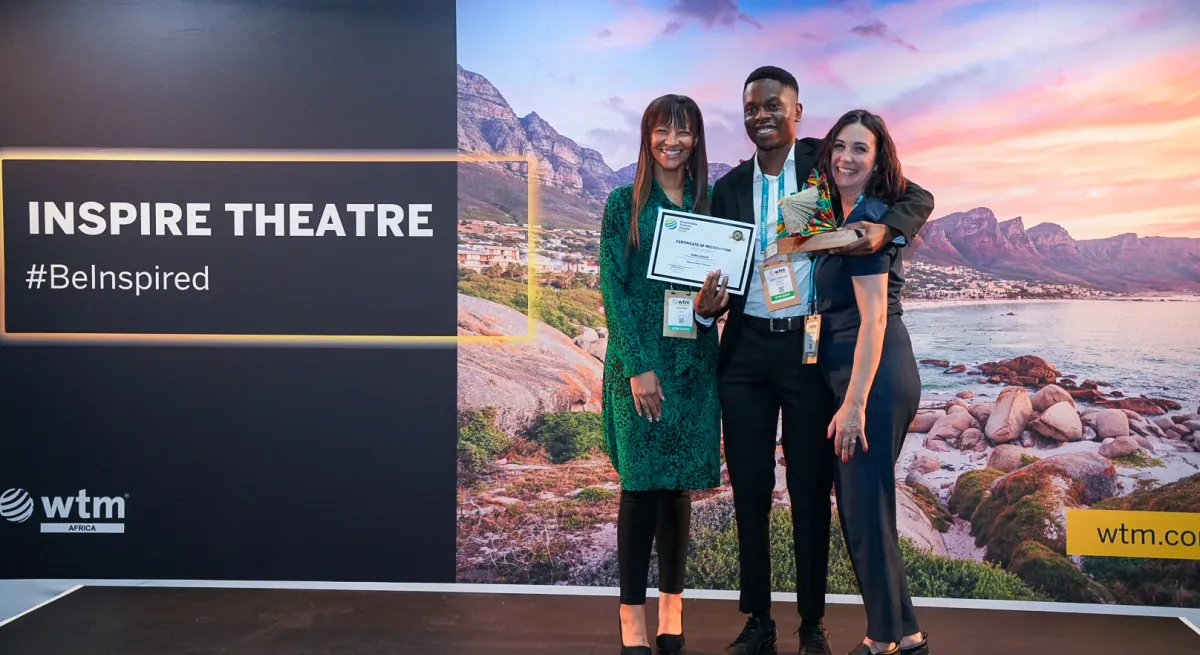
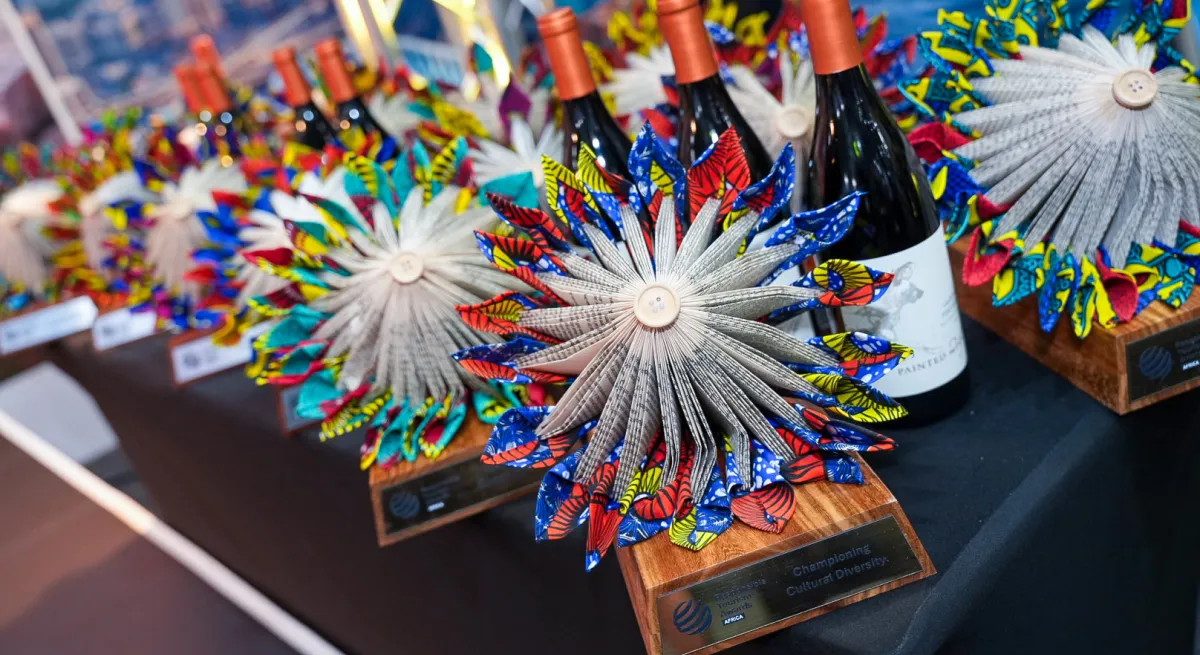
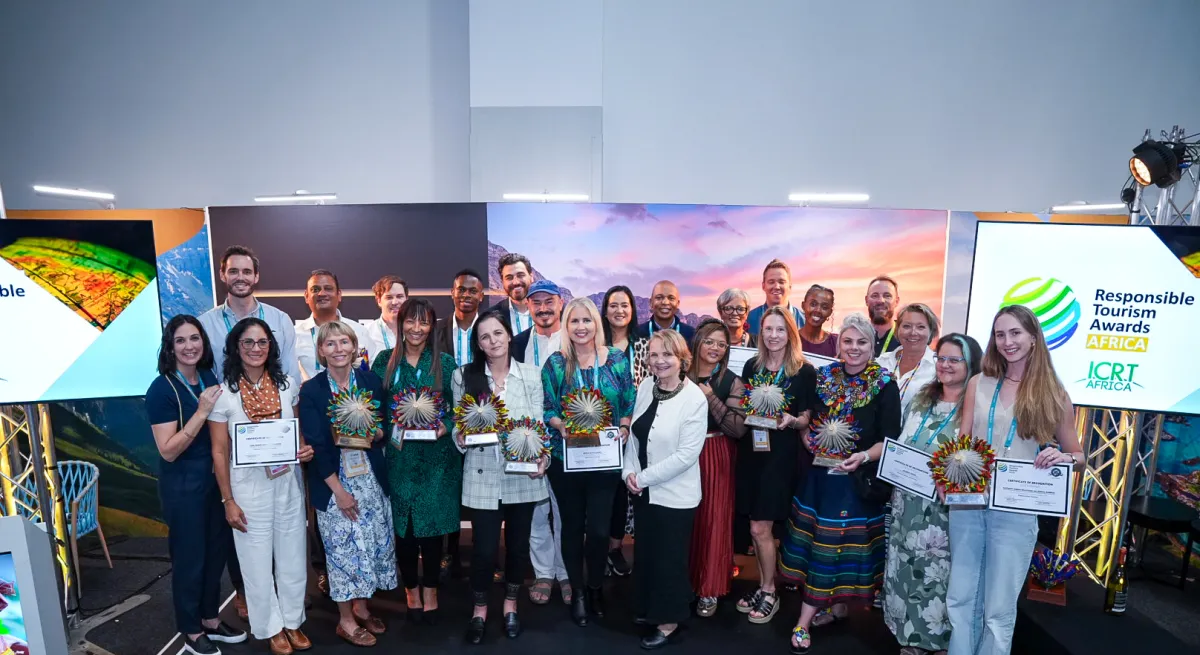
Rural Revive Namibia, recently awarded Gold at the WTM Africa Responsible Tourism Awards, offers a compelling example of how regenerative tourism can address wealth inequality in rural contexts. In this interview, Project Coordinator Reinhold Mangundu shares insights into the challenges, approach, and impact of the initiative in Maltahöhe.
How do you define wealth inequality, and how does it manifest itself in rural contexts such as Maltahöhe?
Reinhold: Wealth inequality is, at its core, the gap between the rich and the poor. In the context of Maltahöhe, it manifests as two very stark realities. On the one hand, there is a thriving conservation landscape supported by tourism. On the other, there is a local community—situated at its periphery—that has not historically benefited from that success. This has resulted in high levels of unemployment, as well as youth migration to cities and a growing sense of hopelessness.
How did your journey with Rural Revive begin, and what motivated you to become involved in the project?
Reinhold: I joined Rural Revive around four years ago as part of a group seeking new ways to build progress in the community. My background as a sustainability researcher and development planner has always been centred on finding alternative pathways to development—ones that consider both people and the environment. What drew me in was the opportunity to move beyond theory and engage in lived experience: to build trust within the community and co-create solutions that are truly relevant and context-sensitive.
What does a typical day look like for you and the Rural Revive team on the ground?
Reinhold: Our day begins with a “morning circle”, where everyone—from gardeners to students—comes together. It is a moment to connect, reflect, and set intentions. From there, activity unfolds across our different work areas. The laundry processes linen from tourism establishments, the barn supports farmers trading produce, and the waste facility receives recyclables from both residents and businesses. At the same time, horticulture students are engaged in hands-on learning in the gardens. It is a dynamic and highly interconnected environment.

Rural Revive is often described as a desert-based economic model. What does this mean in practice, and how does this approach help address wealth inequality?
Reinhold: Our model is based on a circular economy where different activities feed into one another. For example, water from the laundry is recycled into the gardens. Farmers are supported to grow produce, which is then sold through the barn to lodges. We also run entrepreneurship programmes and operate a waste management system where recyclables can be exchanged for income. The Desert Runner transport system connects all these elements. Together, they create opportunities and pathways for inclusion that directly address inequality.
Who are the key stakeholders involved in Rural Revive, and how do they contribute to the project’s success?
Reinhold: The most important stakeholder is the community itself—Rural Revive belongs to the people of Maltahöhe. Beyond that, we work closely with local and commercial farmers, the tourism sector, small businesses, and the village council. Collaboration is essential, particularly ensuring that our work aligns with local priorities and plans.
What have been the most significant challenges you have faced while implementing Rural Revive, and how have you navigated them?
Reinhold: Funding remains a consistent challenge, especially when trying to scale infrastructure for farmers across remote areas. Capacity-building is also essential to ensure long-term sustainability. Another challenge has been managing expectations. At the outset, many people expected immediate job creation. Through regular engagement, community meetings, and our steering committee, we have worked to align expectations with a longer-term vision.
Winning the Gold Award is an extraordinary achievement, but beyond that moment, what tells you that Rural Revive is truly succeeding?
Reinhold: The award is a proud milestone and a sign that our work is gaining recognition. However, success is visible in smaller, everyday moments. For instance, when someone brings recyclables to our facility and earns enough to buy food—that represents restored dignity. We have also created around 40 direct and indirect jobs. These are early but meaningful signs that the model is working and that change is taking place in a way that is rooted in community values.

Strengthening communities through desert-based economies
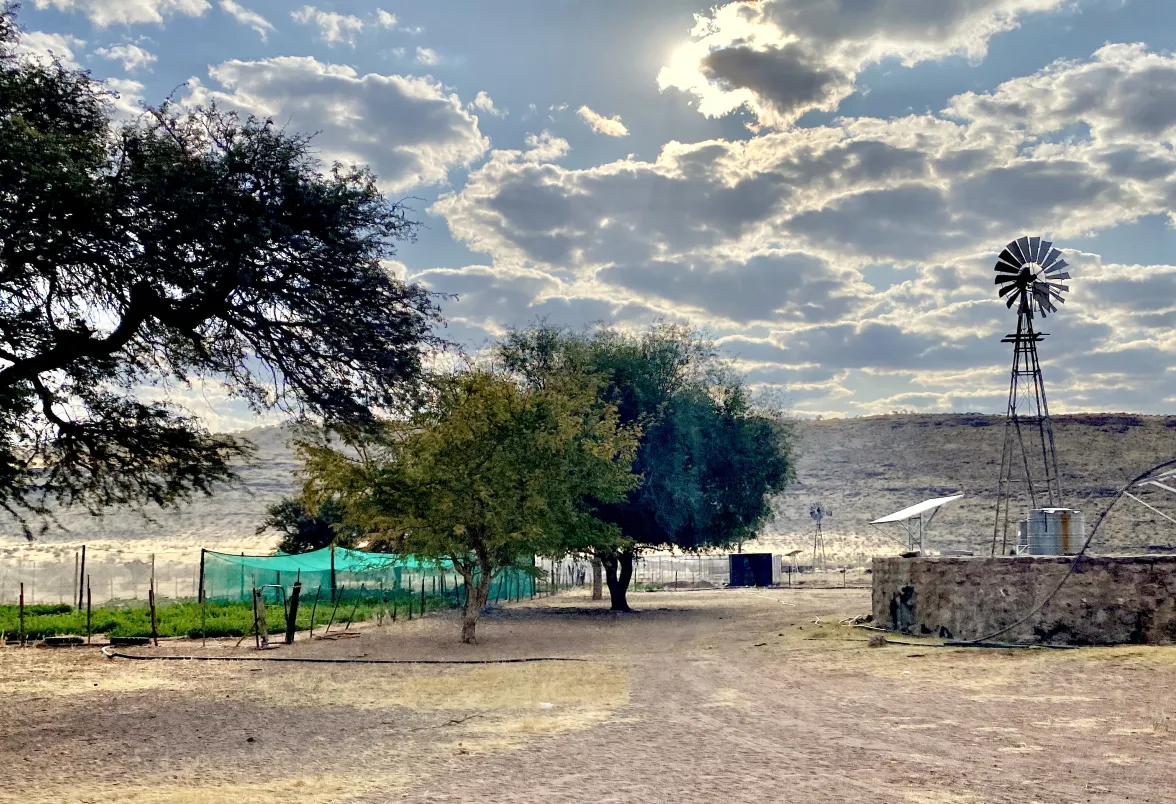
The RuralRevive project by the Wolwedans Foundation is dedicated to the development of Namibia and the wellbeing of its people.