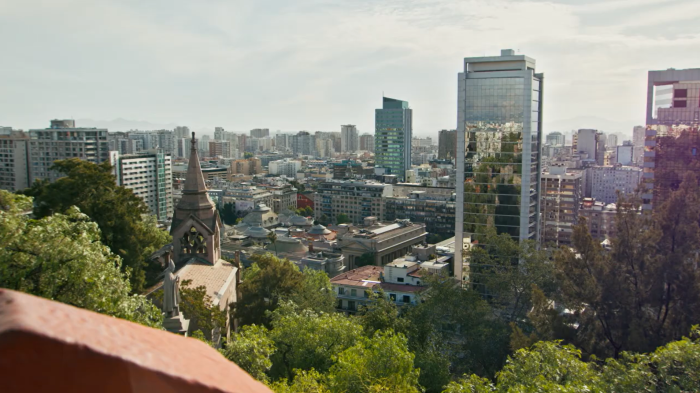
Enabling vulnerable residents to live in improved, healthier apartments with official rental contracts, giving them better access to work, education and opportunities.
-23.682818703499, -46.5952992
Run-down, overcrowded buildings have long been the only housing options for low income residents of São Paulo, Brazil. Can FICA change this narrative?
Conducted by Brazilian non-profit FICA and funded by Julius Baer Foundation, the Compartilha project is showing that social investment can create a win-win situation for low income tenants and mission-driven wealthy individuals.
Through social investors and donations, FICA purchased and renovated 65 apartments in São Paulo, transforming them into safe homes for their newly empowered tenants.
FICA’s impact investment model allows individuals or entities to invest in real estate with maximised social impact at a capped financial return.
Support for FICA also helped strengthen its structure and launch the Social Housing Service, providing all tenants with psychosocial support and income-generation opportunities to achieve autonomy and eventually transition to their own housing or to rental options in the market.
Quick facts
• São Paulo, Brazil
• Project support: 2020-2026
• Grant amount: CHF 840,000
• Connecting social impact investors with low-income tenants of informal housing.
UN Habitat Scroll of Honor Award 2023

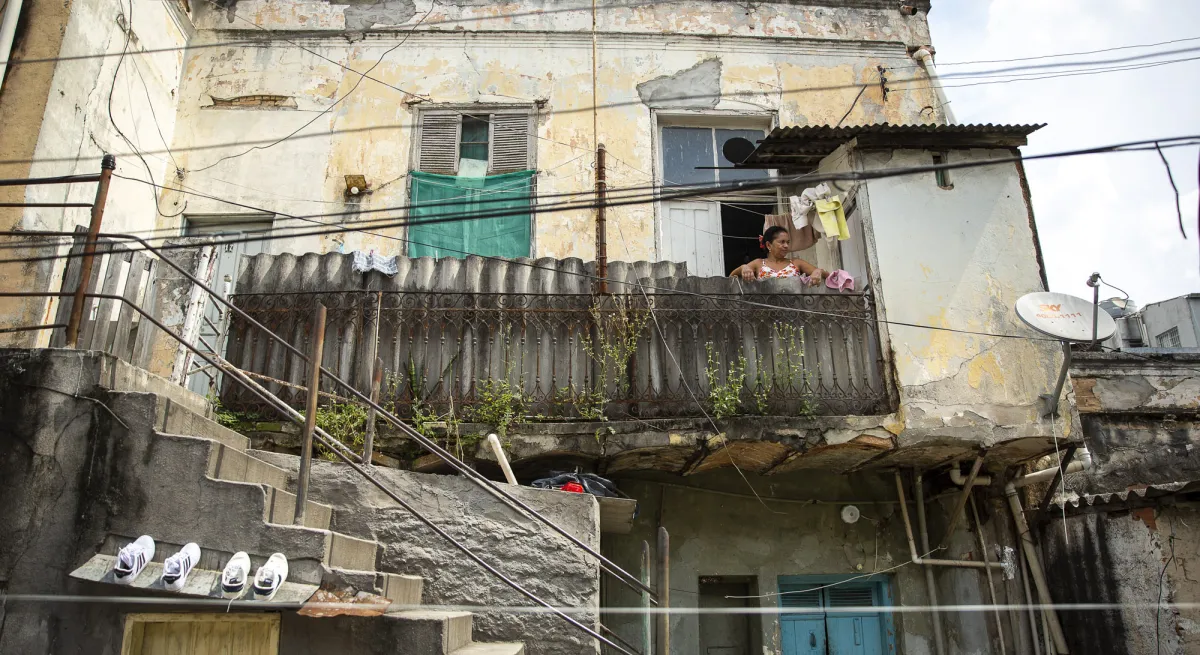
From powerless dwellers…
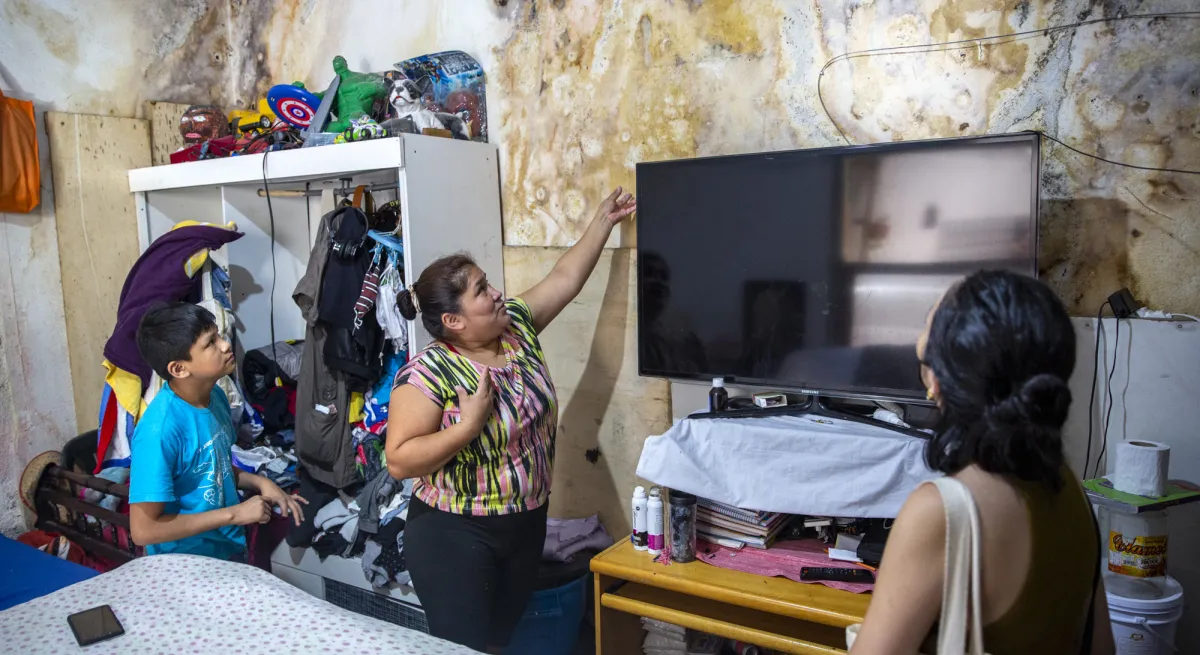
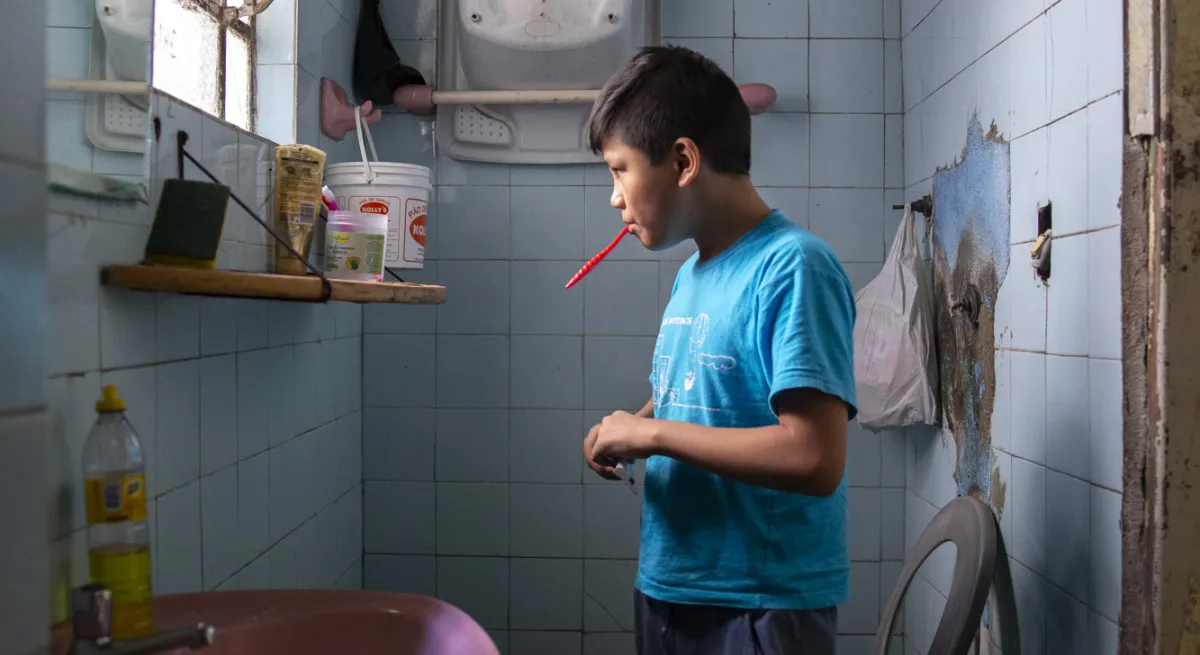
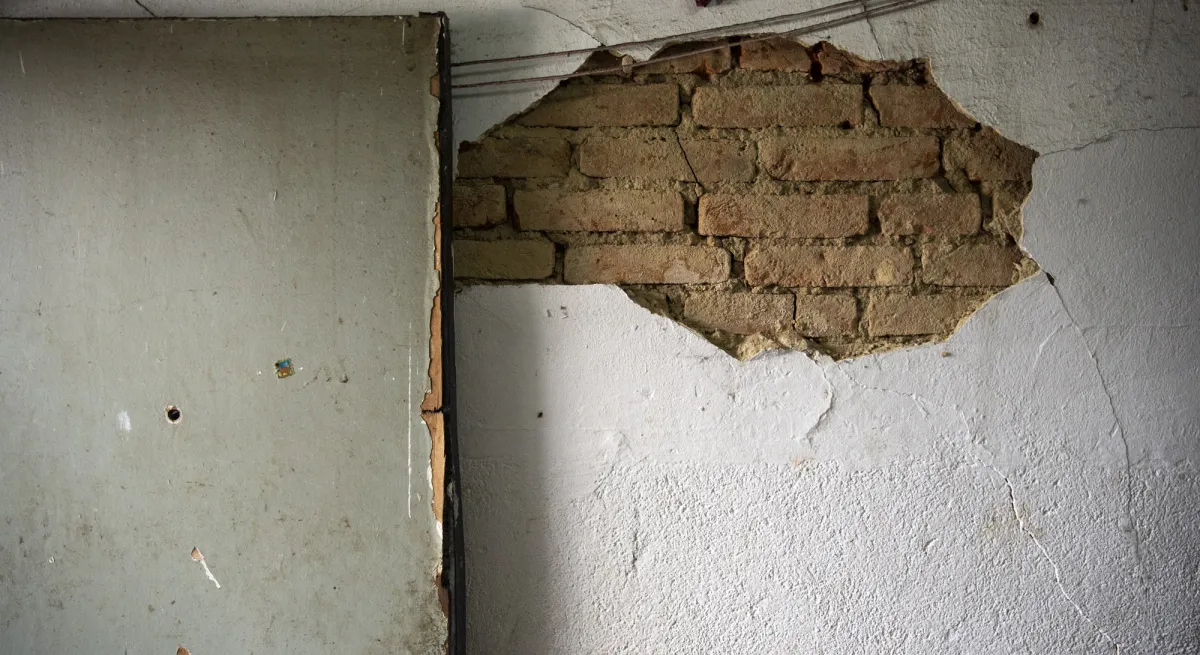
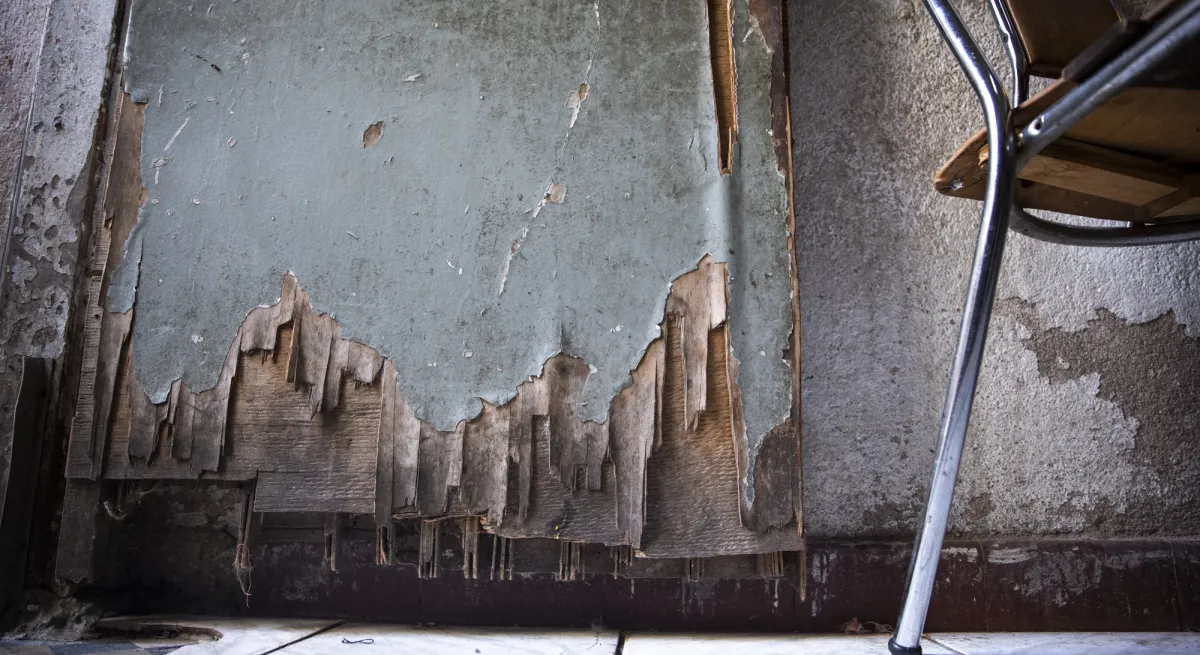
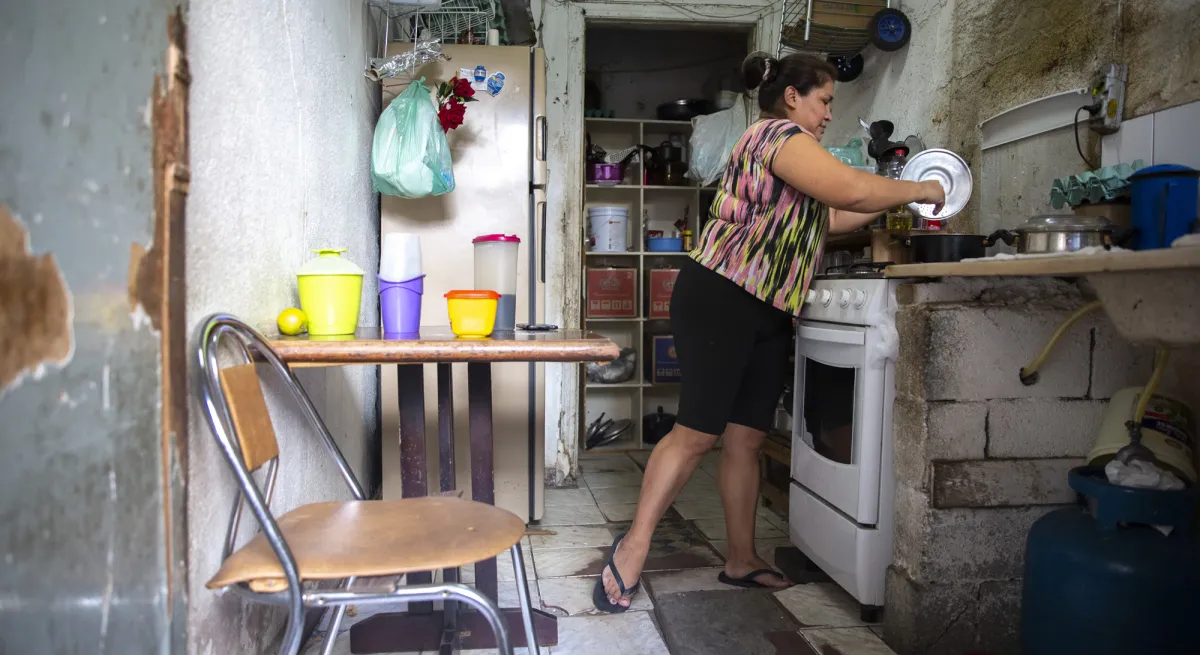
Cortiços often look like single-family homes from the outside, but inside are subdivided apartments with tenants living in crowded, unhealthy conditions under exploitative contract terms.

... to empowered tenants of fairer housing.
The renovated homes created by the Compartilha project give their low-income residents access to the protections and services of an official contract and address. Children benefit greatly, typically displaying improved learning and achievement.
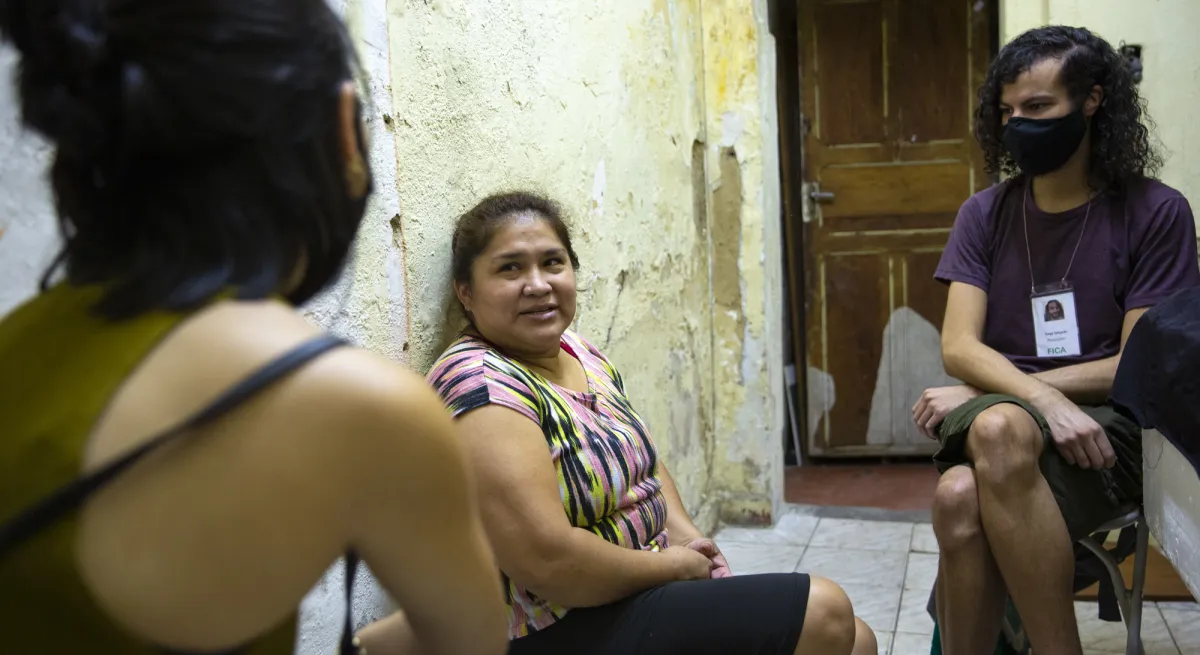
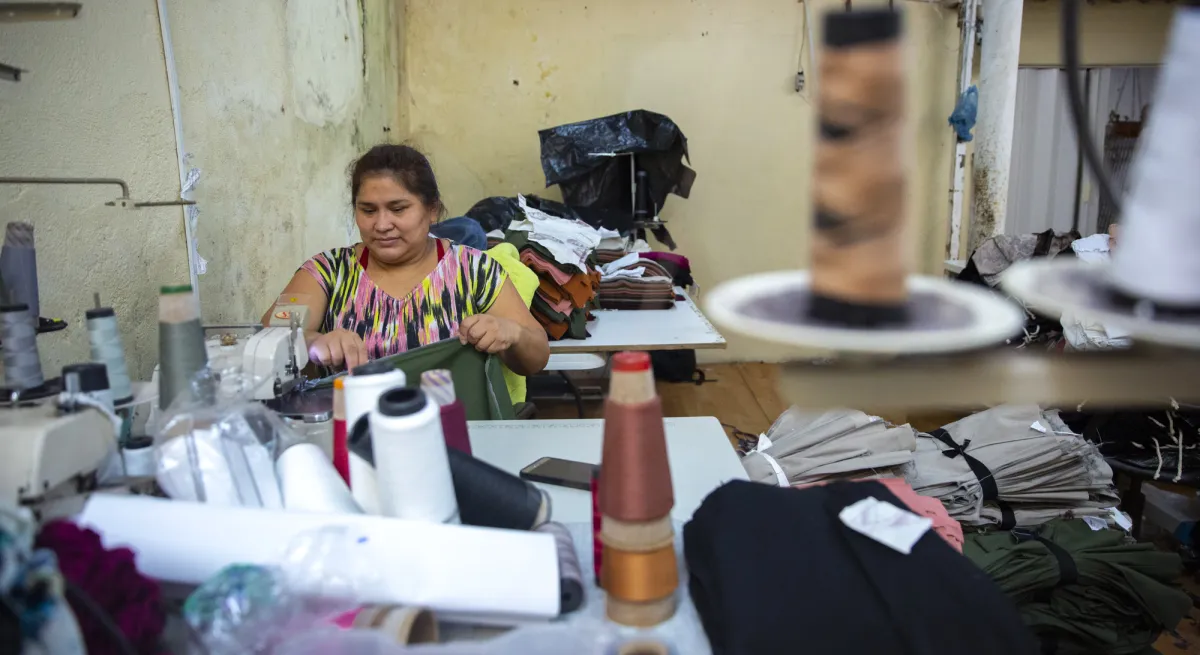
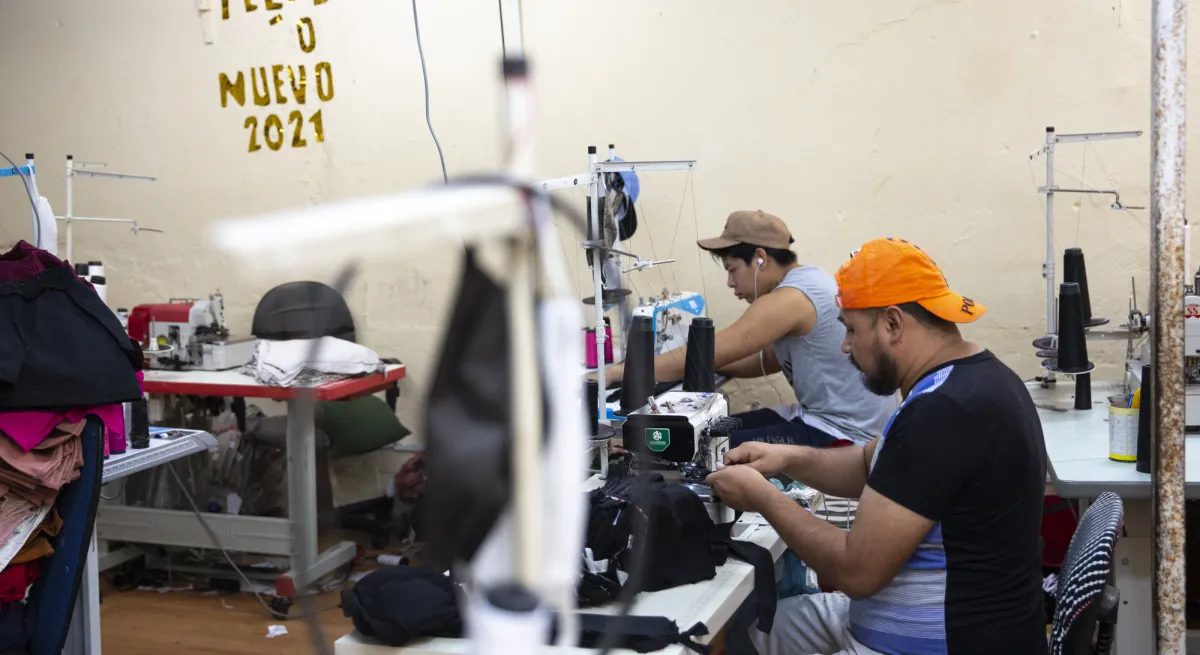
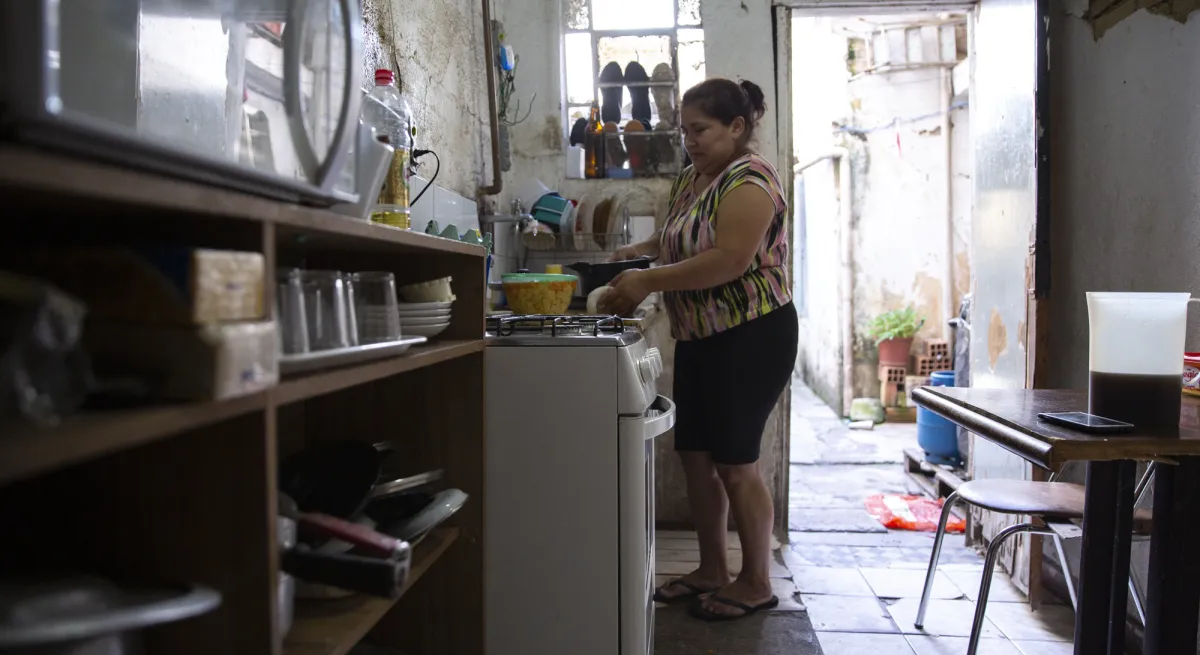
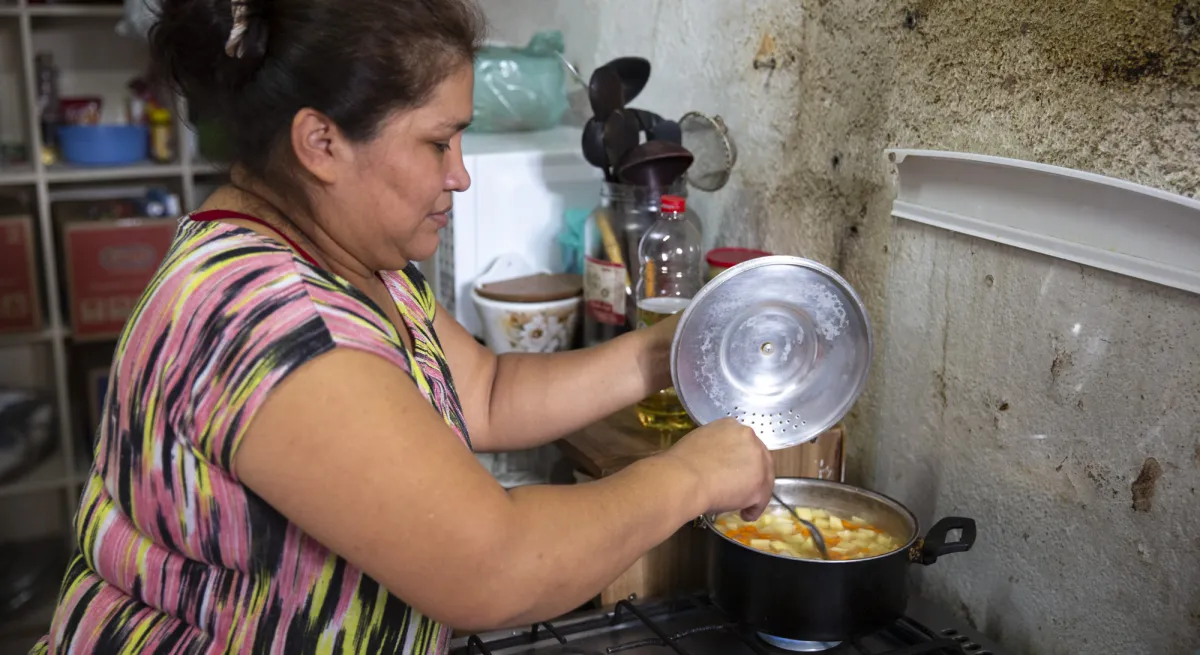
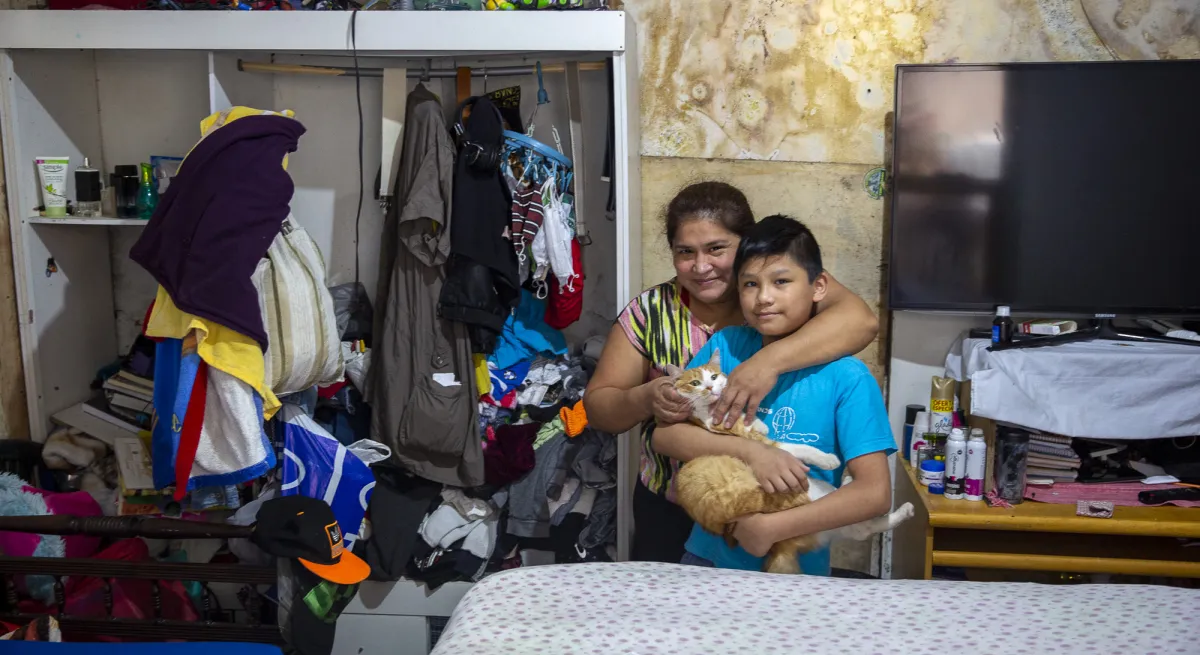
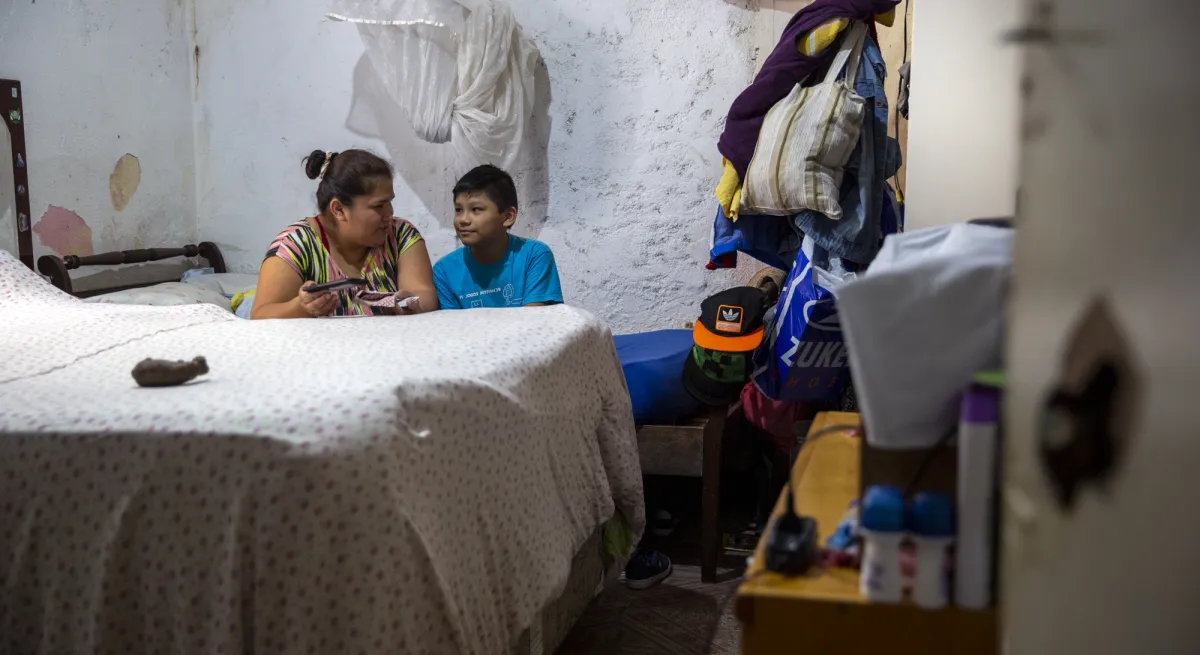
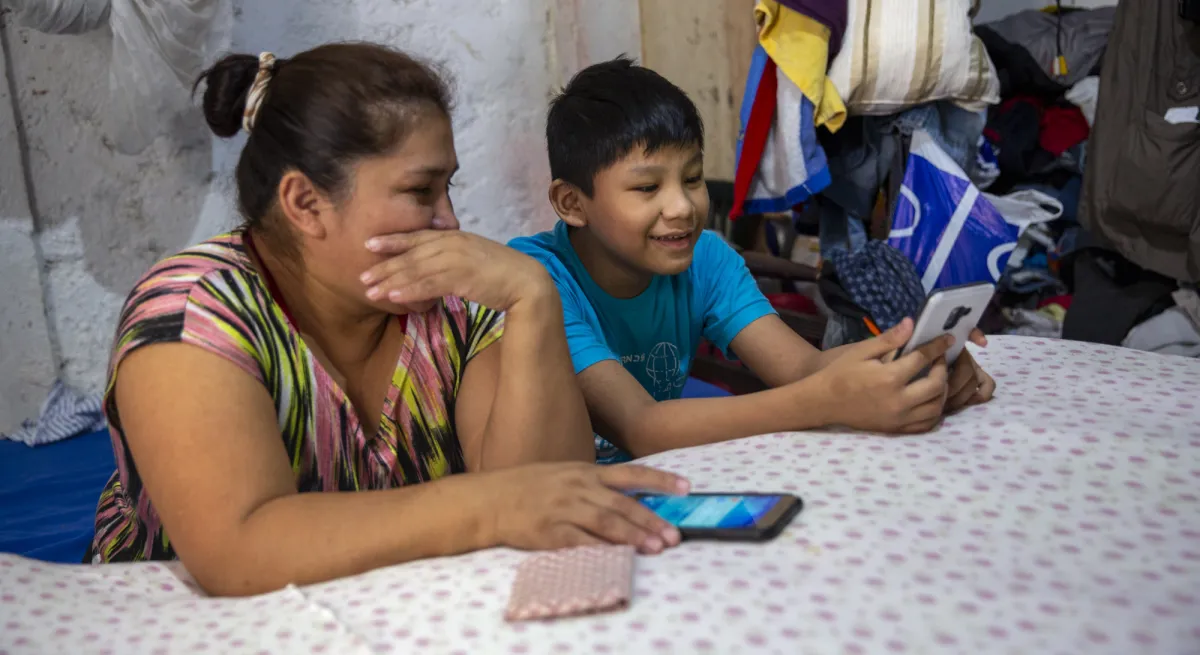
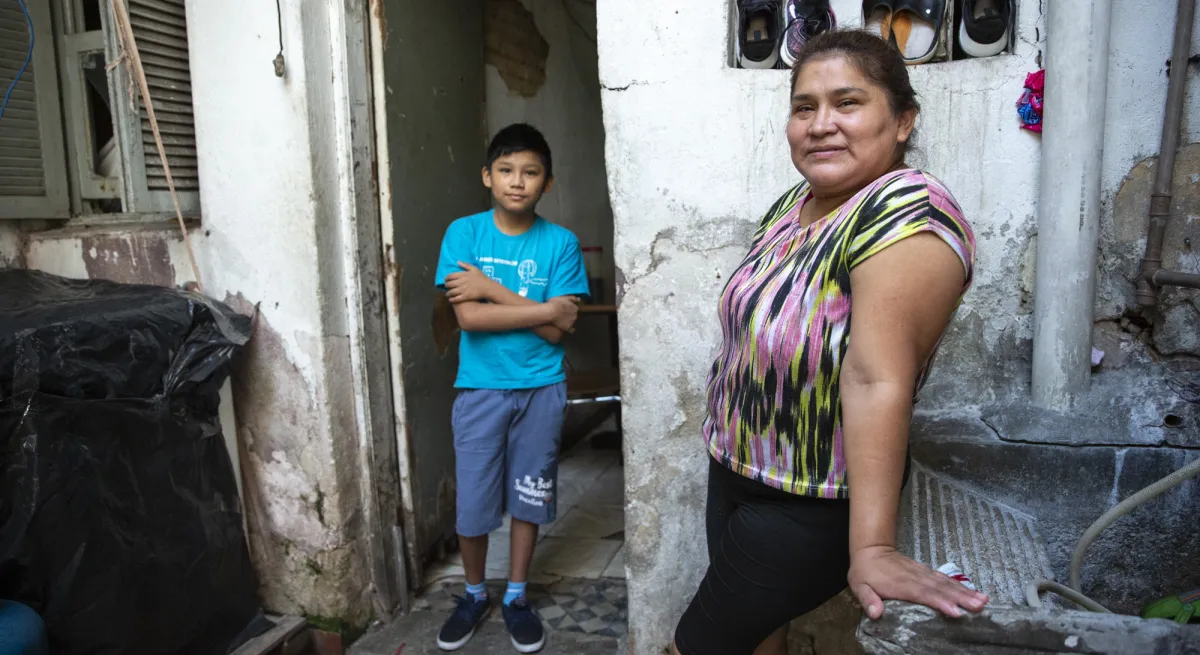
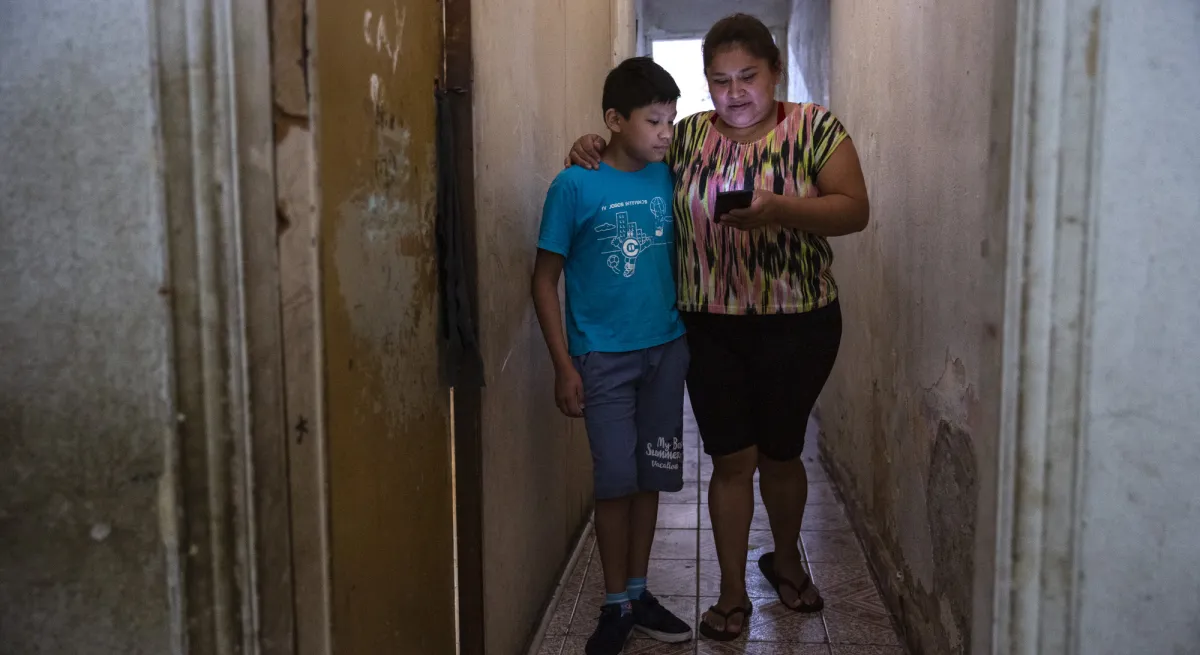
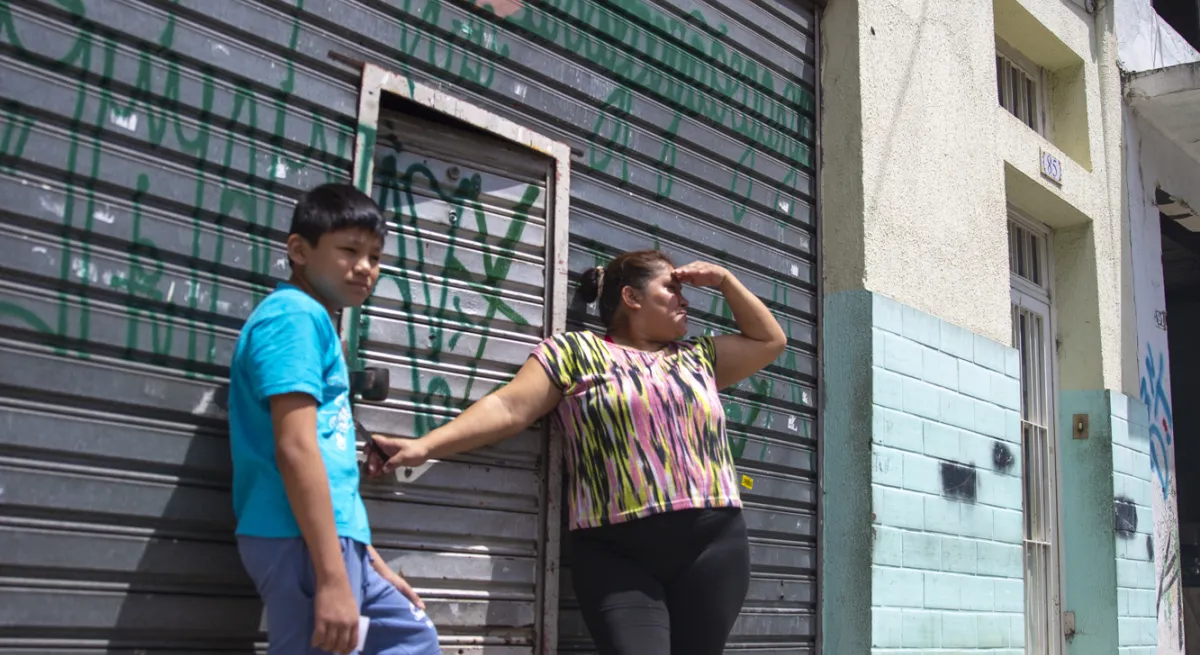
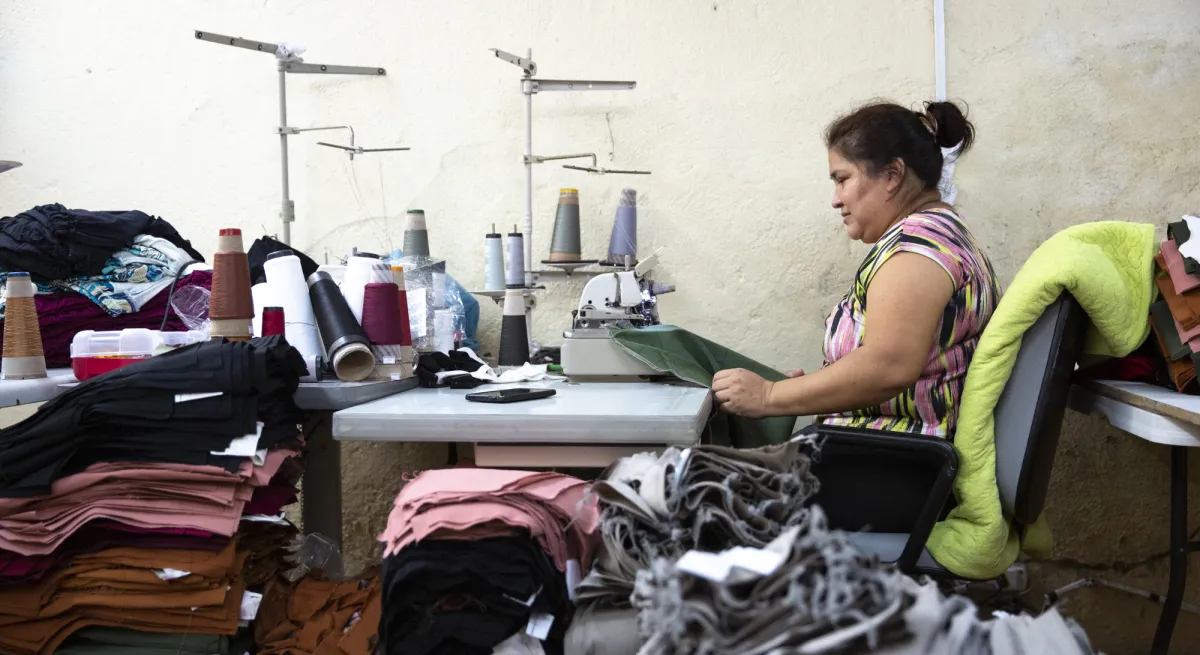
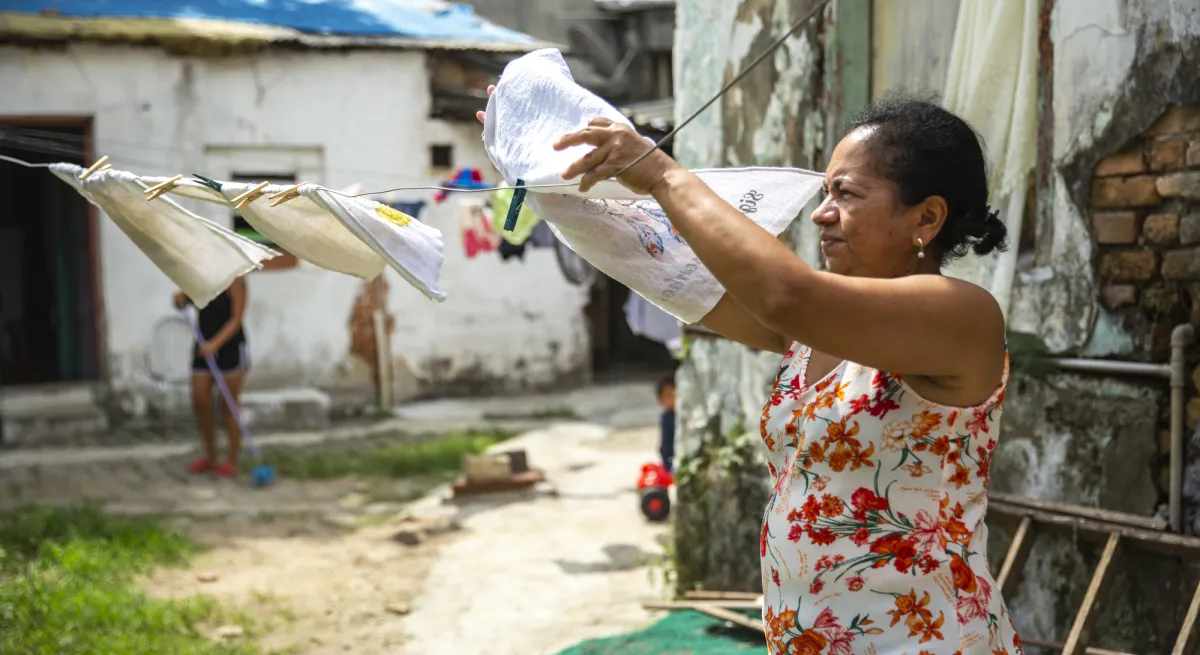
I’ve lived in a FICA unit for four years. Before that, my family and I faced very difficult situations — even staying in tents or informal occupations. Today, my daughters enjoy safety and access to opportunities I never had. Without FICA, I could never have given them this life or met the rental requirements that usually shut out people without financial means. Knowing they can grow up with dignity means everything.

OUTPUT
FICA has purchased and renovated 65 properties in São Paulo, Brazil, transforming them into safe housing for vulnerable tenants.

OUTCOME
100 low-income tenants became formalised rights-holding residents of non-speculative homes close to the opportunities and services of downtown São Paulo. Rent savings for tenants was worth over CHF 90,000 in 2025

HIGHLIGHT
FICA has been advancing the field of social housing in Brazil, mentoring organisations nationwide and working with authorities to influence national policies on equitable access to housing.
Addressing the high costs of poor housing
• Brazil does not have a non-profit ecosystem for housing, leaving many vulnerable residents with few good housing options.
• Low-income residents must either try their luck in private housing markets or struggle to get a spot in limited public housing, leaving them without support to achieve autonomy or generate income.
• The housing market in São Paulo reflects deeply entrenched inequities: paradoxically, poorer households typically pay higher rent and enjoy fewer rights.
• Cortiços – old subdivided houses, with individual rooms rented to entire families and shared bathrooms – were legalised as an imperfect solution to house low-income urban dwellers.
• Conditions for the tenants are often abusive: buildings are poorly maintained and subdivided excessively.
• In São Paulo, living downtown can save up to four hours of commuting by public transport, illustrating the importance of centrally located affordable housing.
• FICA's approach provides a fair solution to the enduring problem of sustandard housing rentals that trap the urban poor, inspiring other organisations and public policies.