For decades, conversations about inequality have focused on poverty, exclusion and limited opportunities. Yet according to sociologist Dr Thierry Rossier, understanding inequality requires examining not only those who lack resources, but also those who possess exceptional concentrations of wealth, influence and decision-making power.
As co-founder of the Swiss Elite Observatory (OBELIS) and coordinator of the Swiss team within the World Elite Database, Rossier studies the individuals who sit at the top of society's most influential institutions. His research explores how economic, political and social power intersect, how elite networks evolve over time, and why some fortunes endure across generations while others disappear.
In this conversation, Dr Rossier speaks with Dr Naveen Shamsudhin, Head of Wealth Inequality Initiative, on why elites matter for understanding inequality, how power is reproduced beyond individual merit, and what current trends reveal about the growing concentration of wealth around the world.
Naveen: Why is it important to study elites when discussing inequality?
Thierry Rossier: When people think about inequality, they often focus on poverty, precariousness or social exclusion. Those are obviously important issues, but they only tell part of the story. If we want to understand how inequality is produced and maintained, we also need to study the people who possess the greatest concentrations of resources and influence.
In sociology, elites are not simply individuals who are successful or talented. We are interested in people who have disproportionate control over resources and who can
convert those resources into influence across different areas of society. These resources can take many forms: wealth, social networks, political connections, educational credentials, social status or public legitimacy.
The reason this matter is that elites have a unique ability to shape institutions, norms, policies and economic priorities. They influence the direction of businesses, governments, universities, foundations and other organizations. Studying inequality therefore requires looking at both ends of the spectrum. We need to understand not only the experiences of those who face disadvantage, but also the mechanisms through which power and privilege become concentrated.
Naveen: How do you define an elite?
Thierry Rossier: There is no universally accepted definition, but in our research, we try to move beyond the idea that elites are simply exceptional individuals who succeeded because of talent or hard work.
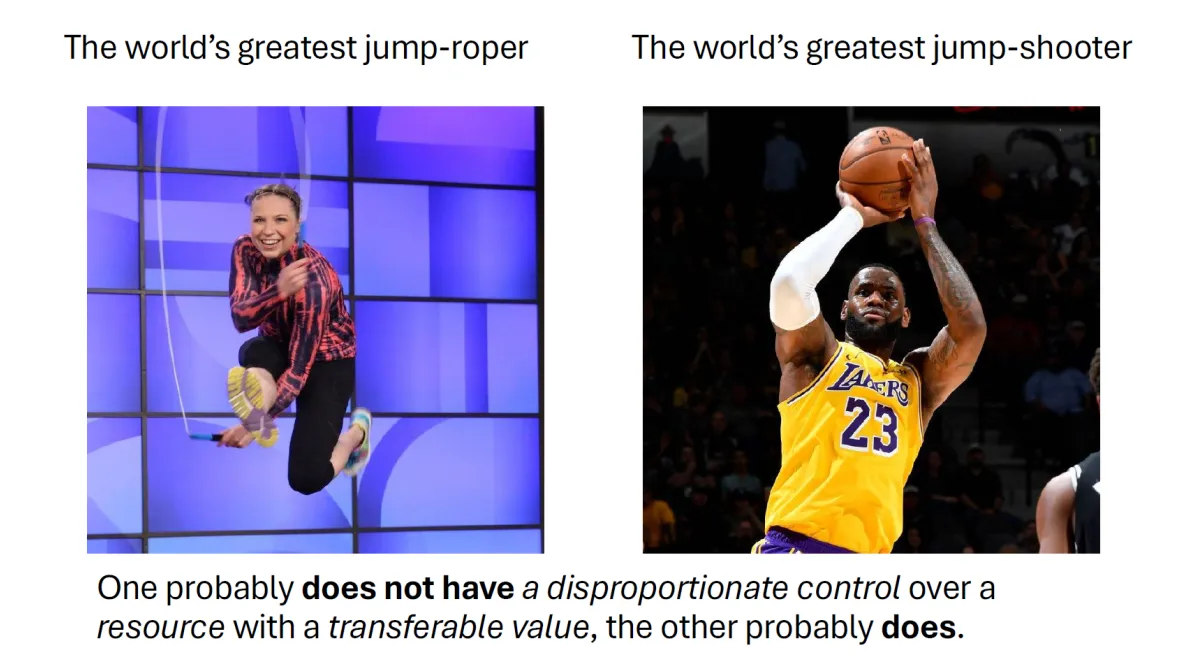
One definition that I find particularly useful is that elites are people who exercise disproportionate control over valuable resources and who can transfer those resources across different sectors of society.
As Shamus Khan 1, a sociology professor at Princeton, argues, take the example of a world champion athlete. Two individuals may possess extraordinary skills, but one of them might be able to transform those skills into wealth, public influence, political visibility and board memberships, while the other remains influential only within a very specific domain. The difference lies not simply in talent, but in the capacity to convert resources into broader forms of power.
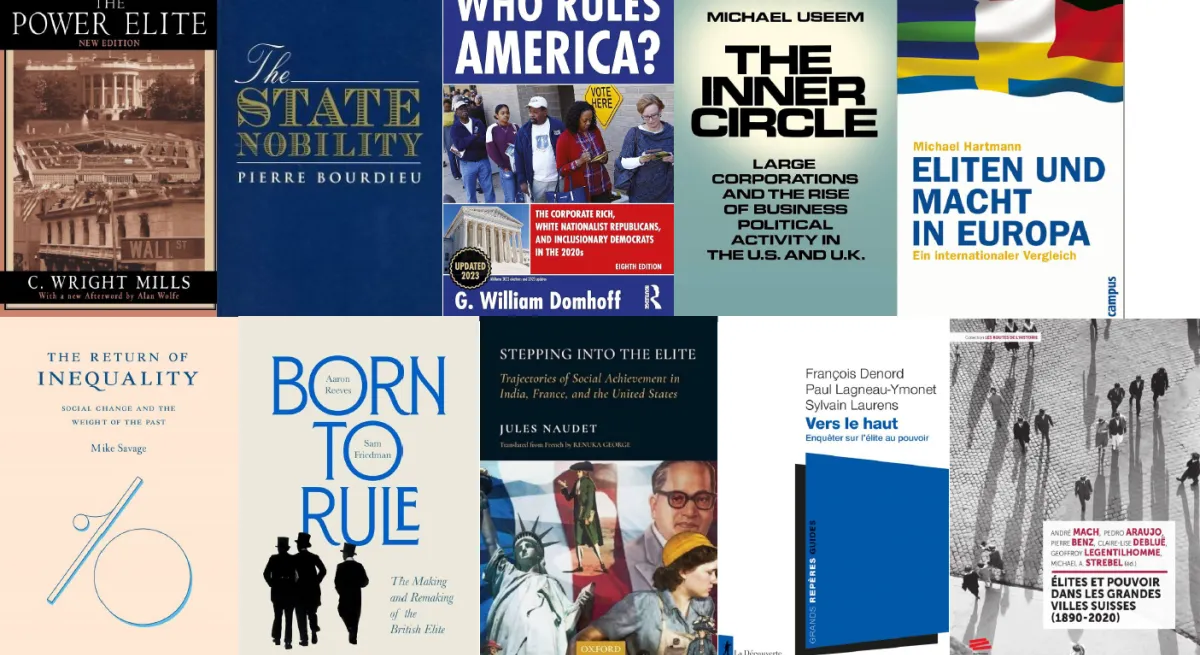
This is where the work of the French sociologist Pierre Bourdieu becomes very useful. Bourdieu argued that power is not based solely on money. He identified different forms of capital, including economic capital such as wealth, social capital such as networks and relationships, cultural capital such as education and qualifications, and symbolic capital such as status, legitimacy and prestige. Elites tend to accumulate several of these forms of capital simultaneously and can convert one into another over time.
Naveen: What role does wealth play within elite power?
Thierry Rossier: Wealth has always been important, but it has become even more crucial in recent decades. Wealth provides opportunities that extend far beyond financial security. It creates access to influential networks, prestigious institutions and decision-making spaces.
Historically, many of the largest companies were controlled directly by founding families who both owned and managed them. Today, ownership and management are often separated, with professional executives running corporations on behalf of shareholders. Yet despite this transformation, wealth remains one of the strongest sources of influence.
What is particularly interesting is that wealth often enables the conversion of one form of power into another. Economic resources can facilitate access to political influence, cultural institutions, philanthropy or educational opportunities. Over time, these different forms of capital reinforce one another.
This is why understanding wealth concentration is so important. Wealth is not simply an outcome of inequality. It can also become a mechanism through which inequality is reproduced.
Naveen: Through the Swiss Elite Observatory (OBELIS), what have you learned about how Swiss elites are changing?
Thierry Rossier: One of the most significant findings concerns the changing structure of elite networks in Switzerland.
Historically, Swiss elites were highly interconnected. Business leaders, politicians, regulators and representatives of major associations frequently shared spaces, institutions and decision-making bodies. Many of these connections were created through advisory committees, corporate boards and business associations.
When we examine these networks over time, we observe a decline in the overall level of coordination among elite actors. The networks become less dense and less interconnected.
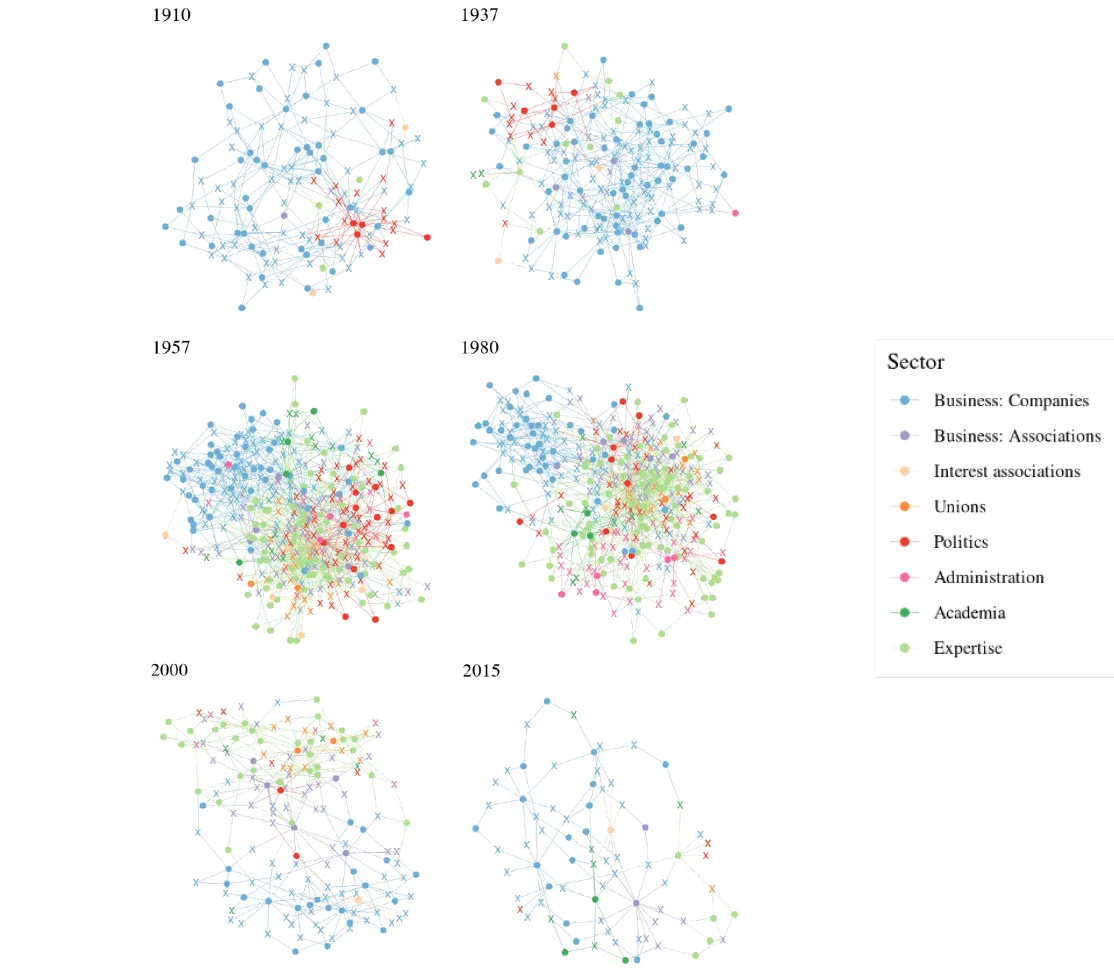
My interpretation is that some large multinational corporations have become so powerful that they no longer require the same degree of coordination with other sectors as they once did. Companies such as Nestlé, UBS, Roche and Novartis possess considerable economic resources and global reach. Their influence can be exercised independently of many traditional institutions that previously connected economic and political elites.
At the same time, we have witnessed the professionalization of politics and corporate governance. Board memberships are more specialized than they were in earlier periods, which can also reduce cross-sector connections.
Naveen: Is this trend unique to Switzerland?
Thierry Rossier: Not entirely. Similar developments have been documented in the United States, where researchers speak about the fragmentation of elite networks.
At the same time, national contexts still matter considerably. In Scandinavian countries, for example, social democratic institutions continue to play a stronger coordinating role. As a result, elite networks often remain more interconnected than those found in Switzerland or the United States.
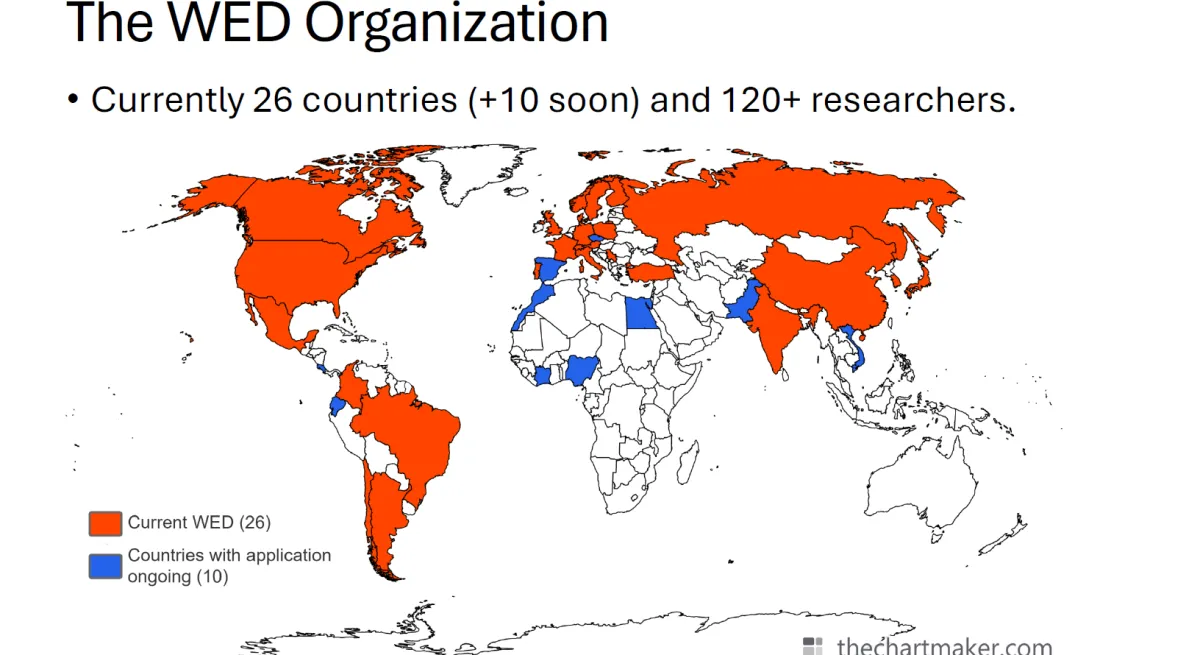
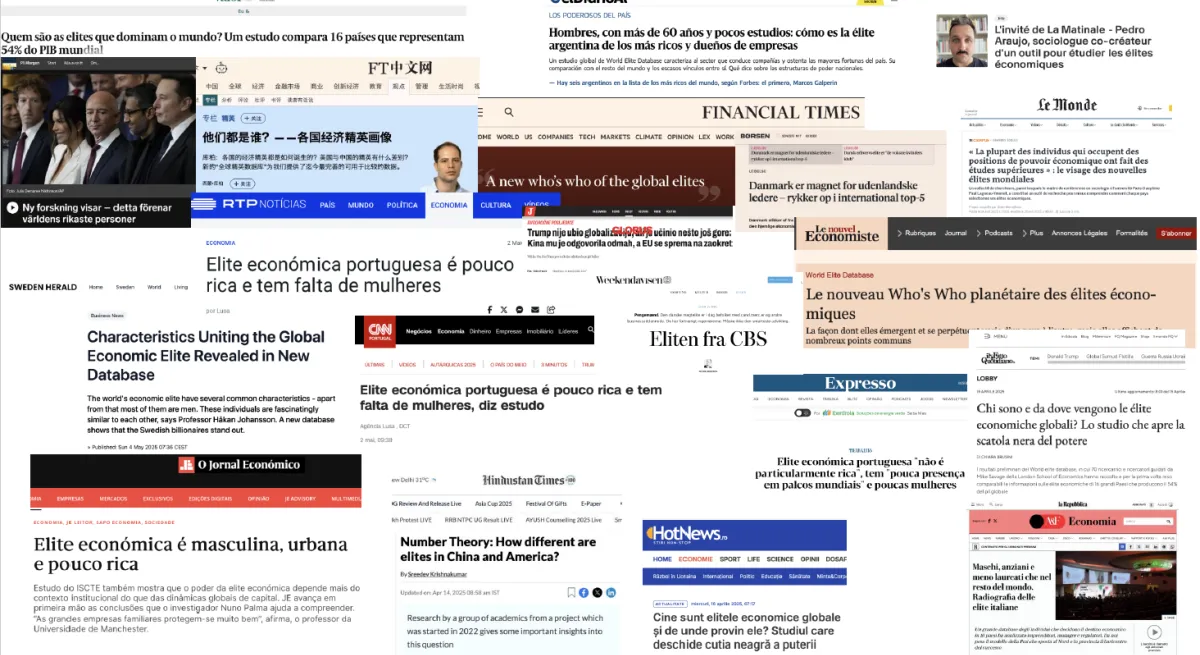
One of the goals of the World Elite Database is precisely to explore these differences systematically across countries, using common methodologies and comparable data.
Naveen: What is the World Elite Database trying to achieve?
Thierry Rossier: The World Elite Database emerged from a simple observation. We had many studies of elites in individual countries, but it was extremely difficult to compare them because each country used different definitions and methods.
Our objective is to create a global infrastructure for the study of economic elites. Researchers from dozens of countries collect information using a common framework. We examine major business leaders, wealthy individuals, regulators and other influential economic actors.
What makes the project particularly valuable is that local research teams understand the specific realities of their own countries. At the same time, we apply comparable standards, which allows us to identify patterns across regions and continents.
Ultimately, we want to understand who holds economic power, how elite groups are formed, how they differ from one country to another and how wealth concentration evolves over time.2
We want to understand who holds economic power, how elite groups are formed, how they differ from one country to another and how wealth concentration evolves over time.
Naveen: Your current research focuses on very wealthy individuals and families. What questions are you trying to answer?
Thierry Rossier: One question has become increasingly important to me: why does extreme wealth persist across generations?
We often hear that fortunes disappear within two or three generations. In many cases, that is true. Yet we also see families whose influence survives for a century or longer. Some maintain prominent positions in business, politics, philanthropy and culture across multiple generations.
I am interested in understanding the conditions that make this possible.
My current project idea wants to examine wealth at three interconnected levels: individuals, families and organizations. I want to understand how these levels interact and reinforce one another over time.
In many cases, wealthy families create networks that span multiple sectors of society. Family members may lead corporations, sit on foundation boards, participate in political institutions or engage in cultural organizations. Their influence is therefore not confined to a single institution.
The key question is not simply who is wealthy today, but how wealth becomes durable, how it survives crises and how it adapts across generations.
Some maintain prominent positions in business, politics, philanthropy and culture across multiple generations.
Naveen: Can elite influence extend beyond wealth itself?
Thierry Rossier: Absolutely. In fact, that is one of the central findings of elite research.
Families do not only transfer financial assets. They also transfer networks, educational opportunities, social expectations, reputations and forms of knowledge about how institutions function.
Historically, Switzerland offers many examples of this phenomenon. Certain families accumulated political and economic influence centuries ago and subsequently became involved in the creation of major companies, banks and national institutions. Their descendants could then occupy strategic positions across multiple sectors of society.
The mechanisms may be different today, but similar dynamics continue to exist. Influence is often reproduced not only through inheritance, but also through access to networks and opportunities that remain unavailable to most people.
Naveen: How should organizations working on wealth inequality engage with elites?
Thierry Rossier: I think data is an important starting point.
Discussions about wealth inequality can sometimes become highly ideological or polarized. Reliable evidence creates a common foundation for dialogue. It allows people to move beyond assumptions and engage with concrete realities.
At the same time, we should recognize that elite groups are not homogeneous. They do not all share the same political views, economic interests or social priorities. There are significant differences among wealth holders, business leaders and influential families.
What research can contribute is a better understanding of how power operates and how influence circulates through society. Once we understand those mechanisms more clearly, we are in a much stronger position to have meaningful conversations about inequality and social change.
What research can contribute is a better understanding of how power operates and how influence circulates through society. Once we understand those mechanisms more clearly, we are in a much stronger position to have meaningful conversations about inequality and social change.
References
1Khan, Shamus R. (2011). The Sociology of Elites. Vol. 38: 361-377. Link: https://www.annualreviews.org/content/journals/10.1146/annurev-soc-071811-145542
2 BÜHLMANN, Felix, CHRISTESEN, Caroline Ahler, COUSIN, Bruno, DENORD, François, ELLERSGAARD, Christoph Houman, LAGNEAU‐YMONET, Paul, LARSEN, Anton Grau, SAVAGE, Mike, THINE, Sylvain, YOUNG, Kevin, ARAUJO, Pedro, ARRIGONI, Paola, ATRIA, Jorge, BENZ, Pierre, BEHR, Johanna, BOTELHO, Maria do Carmo, BUTT, Asif, CASANOVA, Pedro, CLEMENTE‐CASINHAS, Luís, CASTELLANI, Ana, CESCON, Fabio, DAGNES, Joselle, DEBSKA, Hanna, DELVAL, Anne‐Sophie, DRAGUN, Vitalina, EGAS, Andreia, EMILSSON, Kajsa, FAN, Xiaoguang, FU, Fan, GENTILE, Julia, GOMES, Orlando, GRONWALD, Victoria, HEREDIA, Mariana, HJELLBREKKE, Johannes, HONÓRIO, Jorge, HUANG, Jie, INKLEY, Johnathan, JOHANSSON, Håkan, KOIRANEN, Ilkka, KOIVULA, Aki, KUUSELA, Hanna, LEVITA, Gabriel, LING, Chao, LU, Peng, LUKAS, Michael, LUNDING, Jacob, MAHMOUDZADEH, Mina, MCQUADE, Sean, MÉNDEZ, María Luisa, NUNES, Nuno, O'BRIEN, Shay, OTERO, Gabriel, PAGNINI, Marta, PELFINI, Alejandro, PEREIRA, Jéssica, ROA, Catalina, ROSSIER, Thierry, SAGA, Marte Lund, SANTANA, Dulce, SCHNEICKERT, Christian, SCHIMPFÖSSL, Elisabeth, SCHOENBERGER, François, SOLIPA, Izaura, TREMBACZOWSKI, Łukasz, TOFT, Maren, VALE, Sofia, VASCONCELOS, Pedro, QUESADA VELAZCO, Jorge, WARCZOK, Tomasz, & YU, Xinguo. (2025) “Varieties of Economic Elites? Preliminary Results From the World Elite Database (WED)”, The British Journal of Sociology, 76(3): 663-673. Link: https://doi.org/10.1111/1468-4446.13203.
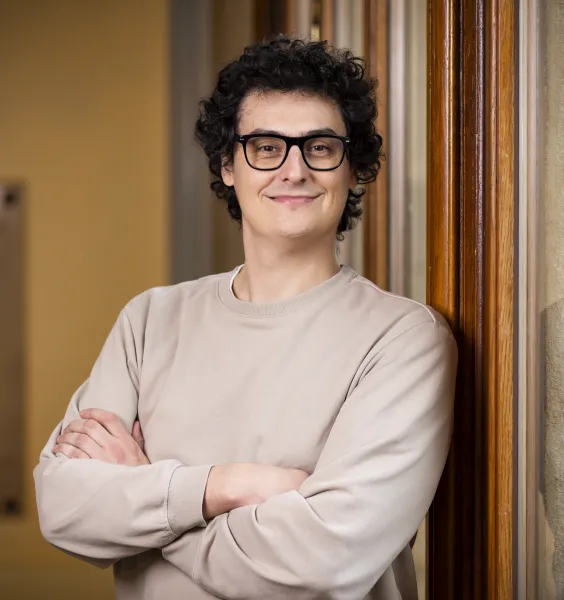
Dr. Thierry Rossier is Senior Researcher at the Life Course and Inequality Research Centre (LIVES) at the University of Lausanne, and, since 2021, Visiting Fellow at the Department of Sociology at London School of Economics. His research interests include elites, inequality, gender, class, power, economics, science, and relational methods in the social sciences. Before that, he did his PhD at the University of Lausanne, and was a guest research fellow at the Department of Organization at Copenhagen Business School and a postdoctoral researcher at the Department of Management at the University of Fribourg, Switzerland. He published several scientific articles on the topics of elite power, social inequality, economics as a power device, and inequality in scientific fields. He is the co-author of two books (available in open access) on the power of economists in society: Maesse, J., Pühringer, S., Rossier, T., and Benz, P. (2021). Power and influence of economists: Contributions to the social studies of economics, Routledge; Pühringer, S., Maesse, J., and Rossier, T. (2025). The Power of Rankings in Economics: Contributions to the Social Studies of Economics, Routledge. With his colleagues Pedro Araujo, Pierre Benz, Laura Porak, and Stephan Pühringer, he currently is in the early stage of co-editing of a “Routledge Handbook of Economic Elites” with planned contributions of 35 to 50 scholars working on topics related to economic elites, power, and inequality. With Pedro Araujo and Pierre Benz, he currently is a guest editor of a special issue on “Studying Elites: Methodological Challenges and Promising Avenues” in the Bulletin of Sociological Methodology.