Establishing community-managed trading hubs and storage facilities to generate income and promote self-reliance.
-21.423310514713, 15.280727865938
In Namibia, indigenous communities often struggle to access and utilise their natural resources sustainably, hindering improved living conditions.
A common thread among all San groups today is their extreme social, economic, and geographical vulnerability and ostracism. This leads to food insecurity, poor health, and malnutrition, marked by poverty, land alienation, and environmental degradation. Communities from Bwabwata National Park and Nhoma Village have asked to partner with Jojoba for
Namibia Trust to develop a trading hub, harvesting facilities, and value chains for local food and cosmetic products, prioritising community participation, ownership, sustainability, and benefit-sharing.
Building on the success of the 'Women in Plant Oil Production' initiative, they aim to create sustainable income streams and livelihoods that reflect the community's environment, indigenous knowledge, and culture.
Quick facts
- Namibia, Bwabwata National Park and Nhoma Village
- Project support: 2019-2028
- Grant amount: CHF 1,690,000 (including funding of the Women in Plant Oil Production project 2019–2024)
- This project is co-founded
- Establishing community-managed trading hubs and storage facilities to generate income and promote self-reliance.

From rural resource users …
Rural communities, despite having limited access to valuable natural resources, often fail to leverage them to improve their livelihoods. This perpetuates a cycle of poverty and environmental damage.
... to sustainable entrepreneurs
The trained, registered collectors now supply their oils to established purchasers as key stakeholders in the value chain, while enhancing the overall quality of life for their communities.
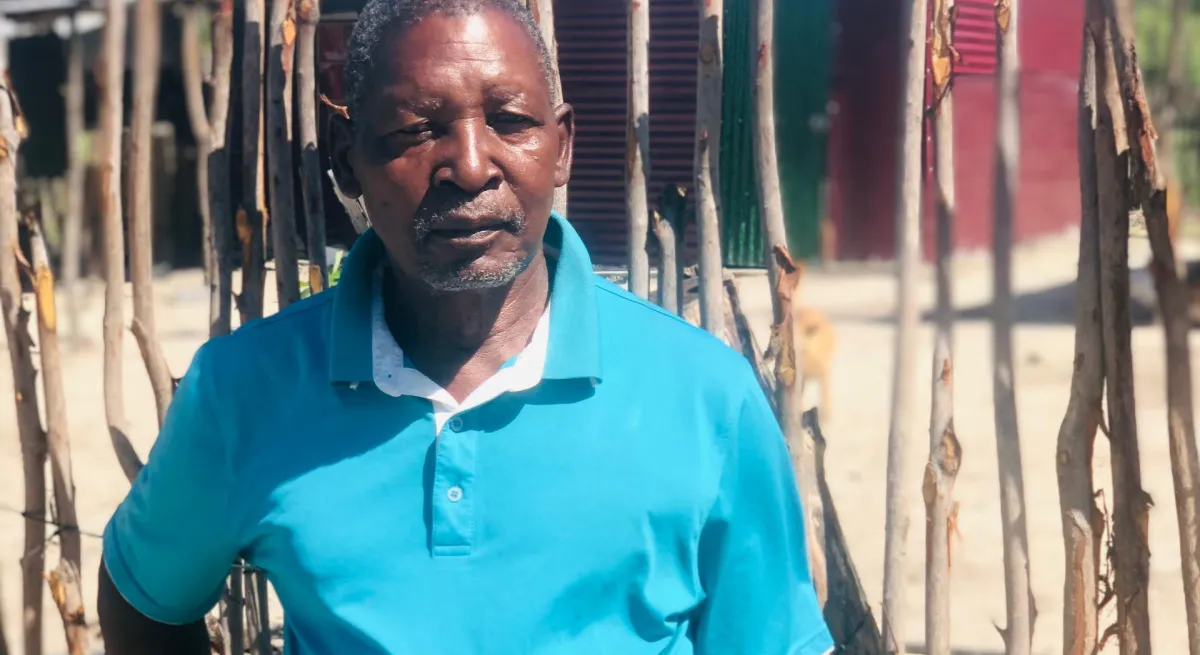
Our people trust the bush, it is where they get water, food, everything. Hunting was taught through practice from elder to youngster. Now we do not have the possibility to teach in this way, so we lose our culture. We are learning in schools, but we also need the IKS bush school to teach them our precious Indigenous Knowledge.

OUTPUT
Establishing Trading Hubs to train and empower local communities, producing high-value products in a holistic value chain, including protein powder for local schools.

OUTCOME
The trading hubs produce healthy and high value novel products not only for the international market, but also for residents and target communities.

HIGHLIGHT
Developing local nature-based value chains in which resident rural communities and indigenous minorities are leading partners and can enhance their economic resilience.
Creating prosperity in rural areas
• Namibia is considered one of the most unequal countries worldwide.
• The Indigenous population constitutes about 2 % of the national population, numbering 27,000 to 38,000 people in total, often facing extreme poverty, political alienation, and a variety of social, educational, and health problems.
• The project aims to create a shift towards fair, sustainable, and inclusive rural enterprise development benefiting rural farmers and plant product collectors, by uplifting their standard of living and preserving biological diversity.
• Sovereignly managed and community owned harvesting and production centres shall ensure highest quality standards, while creating jobs, protecting traditional lifestyle, and fostering ecological and cultural restoration.
• Strong partnerships with cosmetic companies have been established, using the plant oils in premium products for the European market.
• Strategic links and new bridges are being built with the Namibian Government Ministry of Industrialization and Trade, civil society (Conservancies and Community Forest groups) and Namibian NGOs.
• The initiative builds on the 'Women in Plant Oil Production' project launched in 2019, empowering small-scale jojoba farmers as entrepreneurs connected to global cosmetic clients through training in farming, business, and management.